
The Caribbean Fashion Industry Needs More CEOs, Not Just Designers
by Jessel Brizan | VALSAYN, Trinidad and Tobago | 29 June 2026

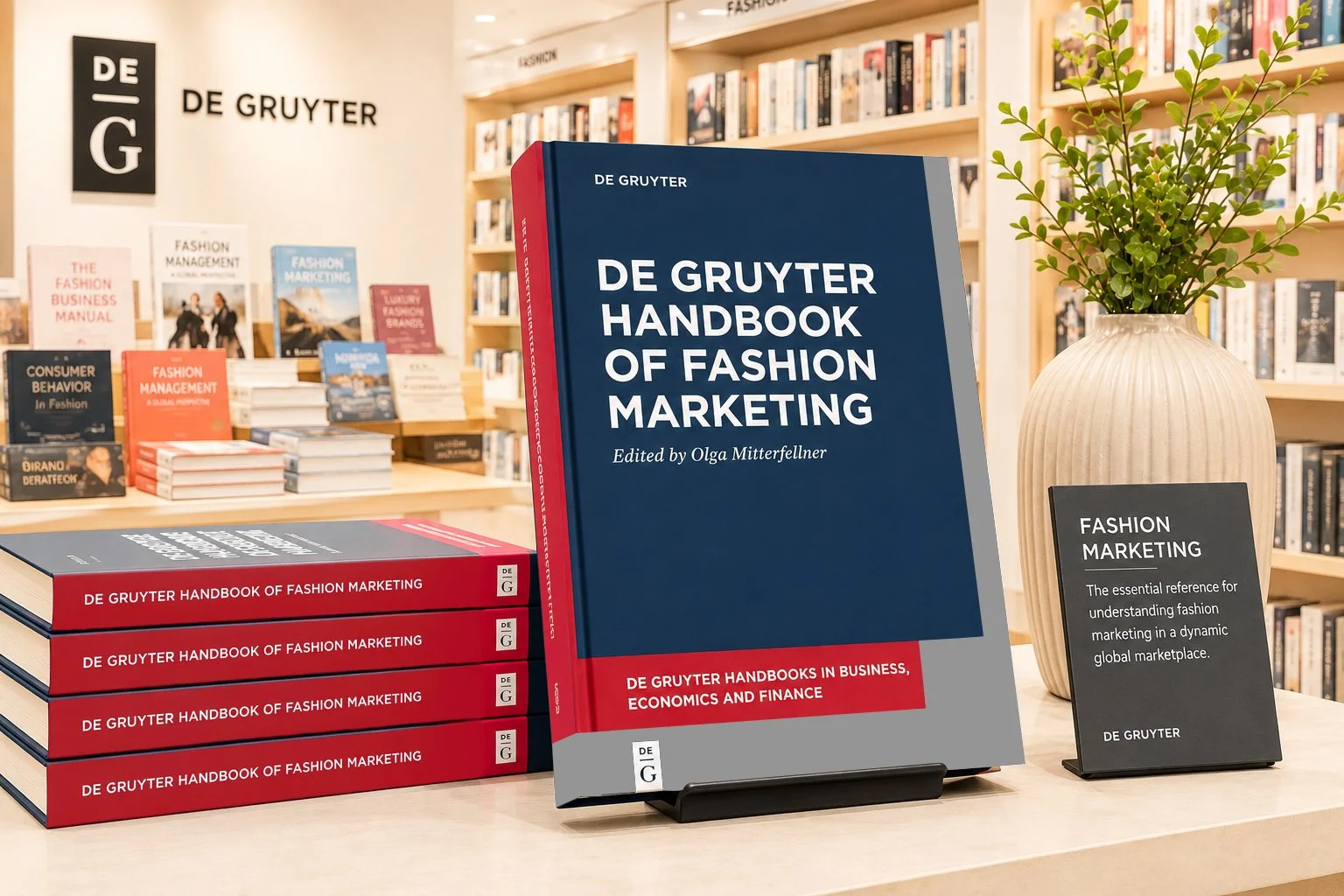
This article is part of our ‘The Business of Caribbean Fashion™’ series, inspired by Chapter 8 by Jessel Brizan, ‘Caribbean Fashion Marketing: Defining Caribbean Fashion’, in the ‘De Gruyter Handbook of Fashion Marketing’ edited by Olga Mitterfellner (2026 DeGruyter Brill).
The Caribbean fashion industry has spent decades focused on developing designers. However, it may be time to shift some focus toward developing more CEOs. This suggestion might sound controversial in a region that often celebrates creativity as the industry's greatest strength. Yet, if the Caribbean is serious about building globally competitive fashion businesses, it must confront an uncomfortable reality: creativity alone does not build successful companies. Even though creatives design the world, it would be remiss not to acknowledge this truth.
Successful businesses are built on effective leadership. Designers play a crucial role in creating innovative products that resonate with consumers, while CEOs are responsible for building robust organisational structures that support growth and sustainability. Ultimately, well-organised entities have the potential to scale and thrive in a competitive marketplace.
The global fashion industry is often romanticised as a world driven by artistic vision and creative genius. While creativity remains essential, the world's most successful fashion companies are not merely creative enterprises. They are sophisticated commercial organisations. Behind every successful brand is a complex system that encompasses strategic planning, finance, operations, supply chains, technology, marketing, sales, logistics, and customer experience.
The reality is that many fashion businesses fail for reasons that often have little to do with design. They commonly fail due to cash shortages, inventory mismanagement, missed delivery deadlines, difficulties in scaling production, and a lack of operational discipline needed to convert demand into sustainable growth. In other words, they fail because leadership challenges are often mistaken for creative challenges.
The Founder Trap
One of the most common patterns across emerging fashion markets is what is known as the founder trap. A designer launches a business based on individual talent, passion, and creativity. As the brand grows, that same individual assumes responsibility for every major function within the company. They are expected to simultaneously design collections, source materials, negotiate with suppliers, manage production, oversee finances, handle marketing, communicate with buyers, fulfil orders, and lead the business. At a small scale, this situation may be manageable. However, as the scale increases, it becomes a constraint. The very skills that make someone an exceptional designer are not necessarily the same skills required to build and manage a growing organisation. Yet across much of the Caribbean fashion ecosystem, these roles remain heavily dependent on one individual. As a result, businesses often become reliant on their founders instead of being supported by established systems. Consequently, founder-dependent businesses seldom scale effectively.
What Global Fashion Leaders Understand
The world's most successful fashion companies rarely operate as designer-led organisations alone. They function as professionally managed businesses. Consider the luxury sector. While creative directors often receive the majority of public attention, the long-term success of companies such as LVMH, Kering, Inditex, and Nike has been driven as much by operational excellence and executive leadership as by design. Bernard Arnault transformed LVMH into the world's largest luxury group not by designing products but by building systems, acquiring brands, allocating capital strategically, and creating organisational scale. Similarly, Inditex revolutionised global fashion through supply-chain innovation, inventory management, and operational efficiency. Zara's competitive advantage was never simply about design. It was an innovative strategy centred on speed, execution, and business-model innovation. The key takeaway is that fashion companies thrive worldwide by blending creativity with strong management skills.
The Caribbean's Leadership Gap
The Caribbean does not suffer from a shortage of creative talent. The region has consistently produced designers capable of competing on international stages. What remains scarce are individuals with specialised expertise in fashion management, operations, merchandising, sourcing, finance, retail strategy, digital commerce, and business development. Many fashion entrepreneurs are effectively forced to learn these disciplines through trial and error. This creates a leadership gap that constrains growth. A designer may know how to create a collection, whereas a CEO knows how to build an organisation capable of producing thousands of units, entering new markets, raising capital, managing risk, and generating long-term profitability. Both skill sets are valuable, but they differ significantly and cannot indefinitely substitute for one another.
Why This Matters for Economic Development
This issue extends far beyond the concerns of individual businesses. If the Caribbean fashion industry is to become a meaningful contributor to exports, employment, investment, and economic diversification, it will need a broader talent base than just designers. Successful fashion ecosystems depend on a collaborative network of dedicated professionals, such as chief executives, operations managers, merchandisers, financial analysts, supply chain specialists, production managers, e-commerce strategists, retail buyers, brand managers, and export specialists. Fashion is not a single profession. It is an economic ecosystem. The countries that have built globally competitive fashion industries understand this distinction. They invest not only in design education but also in business education, management training, technical skills development, and industry infrastructure. The Caribbean has primarily focused on the creative side of the equation, while the commercial side remains underdeveloped.
Rethinking Fashion Entrepreneurship
Perhaps the most important mindset shift is recognising that not every designer needs to become a CEO. Some of the world's strongest fashion businesses succeed because creative leadership and business leadership work together. The designer focuses on vision, innovation, and product development, while the CEO focuses on growth, operations, capital allocation, and execution. This partnership model is common across global fashion companies but remains relatively uncommon within many Caribbean fashion businesses, where resources are often limited, and founders wear multiple hats. As the industry evolves, establishing stronger partnerships between creative talent and business talent may become one of the most important drivers of growth.
Building the Next Generation of Fashion Leaders
If the Caribbean wants more globally competitive fashion brands, it must invest in leadership development as aggressively as it does in creative development. That means expanding access to fashion business education, entrepreneurship programmes, executive training, financial management, export-readiness initiatives, leadership development, and industry mentorship. It also means encouraging more professionals from fields such as finance, technology, logistics, marketing, and operations to see fashion as a viable career path. The future of the industry will not be determined solely by who designs the next great collection, but by those who build organisations capable of bringing those collections to the global fashion market.
The Industry We Need to Build
The Caribbean fashion industry does not need fewer designers. It needs more support around them. This includes more strategists, merchandisers, financiers, supply-chain specialists, executives, and CEOs. Fashion businesses do not grow solely through creativity. They also require strong leadership. While designers may create the vision, it is leadership that transforms that vision into a successful enterprise. The Caribbean's next generation of fashion success stories will not be built solely on creativity. They will be built by the leaders who know how to turn creativity into viable companies.
-
September 2026
- 28 Sept 2026 What Investors Misunderstand About Caribbean Fashion 28 Sept 2026
- 22 Sept 2026 Remembering Nicole Edmund: A Caribbean Fashion Pioneer 22 Sept 2026
- 21 Sept 2026 Why Fashion Weeks Alone Will Not Build the Caribbean Fashion Industry 21 Sept 2026
- 14 Sept 2026 What Caribbean Fashion Can Learn From K-Beauty and African Fashion 14 Sept 2026
- 7 Sept 2026 Sustainability Could Become Caribbean Fashion’s Global Advantage 7 Sept 2026
- 1 Sept 2026 The Future Caribbean Fashion Consumer Is Digital, Global and Culture-Driven 1 Sept 2026
-
August 2026
- 24 Aug 2026 The Diaspora Is Caribbean Fashion’s Most Powerful Global Distribution Network 24 Aug 2026
- 17 Aug 2026 Why Authenticity Has Become a Commercial Strategy 17 Aug 2026
- 12 Aug 2026 Storytelling Is Caribbean Fashion’s Untapped Superpower 12 Aug 2026
- 10 Aug 2026 Jessel Brizan Design Group Launches Brizan Advisory 10 Aug 2026
- 4 Aug 2026 Cultural Hybridity Is the Caribbean’s Greatest Competitive Advantage 4 Aug 2026
-
July 2026
- 29 Jul 2026 Why Caribbean Fashion Is More Than ‘Tropical Prints’ 29 Jul 2026
- 20 Jul 2026 Caribbean Fashion Must Stop Competing on Price 20 Jul 2026
- 13 Jul 2026 Tourism and Fashion: The Caribbean’s Most Untapped Partnership 13 Jul 2026
- 6 Jul 2026 The Future of Caribbean Fashion Depends on Commercial Education 6 Jul 2026
-
June 2026
- 29 Jun 2026 The Caribbean Fashion Industry Needs More CEOs, Not Just Designers 29 Jun 2026
- 27 Jun 2026 Jessel Brizan Featured in Trinidad Guardian: A Mission to Transform Caribbean Fashion 27 Jun 2026
- 24 Jun 2026 Jessel Brizan Donates Book to UTT Libraries 24 Jun 2026
- 22 Jun 2026 Why Caribbean Fashion Brands Struggle to Scale Internationally 22 Jun 2026
- 15 Jun 2026 Caribbean Fashion Has a Branding Problem, Not a Creativity Problem 15 Jun 2026
- 10 Jun 2026 The Evolution of Jessel Brizan Design Group 10 Jun 2026
- 8 Jun 2026 Fashion Is One of the Caribbean’s Most Undervalued Economic Assets 8 Jun 2026
- 1 Jun 2026 Brizan Contributes to De Gruyter Handbook of Fashion Marketing 1 Jun 2026
- 1 Jun 2026 The Global Fashion Industry Has Been Borrowing From the Caribbean for Decades 1 Jun 2026
-
May 2026
- 26 May 2026 JBDG set to launch ‘The Business of Caribbean Fashion™’ Series 26 May 2026
- 18 May 2026 Wholesale vs Direct-to-Consumer: Which Is Right for You? 18 May 2026
- 11 May 2026 The Follow-Up Strategy That Turns Meetings Into Orders 11 May 2026
- 6 May 2026 Acknowledging ‘Selling Fashion Collections’ 6 May 2026
- 4 May 2026 The 7 Costly Mistakes Designers Make Before Meeting Buyers 4 May 2026
- 1 May 2026 Brizan Awards the SFC Book Giveaway Prize to Naballah Chi 1 May 2026
-
April 2026
- 29 Apr 2026 Jessel Brizan Publishes Third Book 29 Apr 2026
- 27 Apr 2026 Why I Wrote Selling Fashion Collections 27 Apr 2026
- 20 Apr 2026 Total Image Projection: How to Win a Buyer Meeting 20 Apr 2026
- 13 Apr 2026 The Perfect Buyer Meeting Kit 13 Apr 2026
- 9 Apr 2026 How to Research Buyers Before You Pitch 9 Apr 2026
-
March 2026
- 30 Mar 2026 What Buyers Really Look for in a Collection 30 Mar 2026
- 24 Mar 2026 How to Create a Line Plan That Appeals to Buyers 24 Mar 2026
- 23 Mar 2026 Mastering Your Pricing Strategy in Fashion 23 Mar 2026
- 16 Mar 2026 Understanding Design Markets: Where Does Your Brand Truly Sit? 16 Mar 2026
- 3 Mar 2026 Creativity Is Not Enough: Why Fashion Designers Struggle to Sell 3 Mar 2026
-
February 2026
- 24 Feb 2026 Why Design Structure Is the Backbone of a Sellable Fashion Collection 24 Feb 2026
-
October 2025
- 17 Oct 2025 14 Core Principles of Brand Ethos 17 Oct 2025
-
September 2025
- 4 Sept 2025 An Affirmation from Louis Vuitton Beauty, Pt. 2 4 Sept 2025
-
July 2025
- 27 Jul 2025 JBDG Selected for Showcase at Caribbean Investment Forum 2025 27 Jul 2025
-
May 2025
- 7 May 2025 The Blueprint of Fashion Design 7 May 2025
- 3 May 2025 The Five Segments of the Global Fashion Industry 3 May 2025
-
March 2025
- 20 Mar 2025 An Affirmation from Louis Vuitton Beauty 20 Mar 2025
-
September 2023
- 12 Sept 2023 I Heart TT™ 12 Sept 2023
- 3 Sept 2023 Why Companies Value Teamwork 3 Sept 2023
-
August 2023
- 18 Aug 2023 The Power of Purpose, Prayer and Perseverance 18 Aug 2023
-
June 2023
- 11 Jun 2023 The Divine Hierarchy of Life © 11 Jun 2023
-
May 2023
- 31 May 2023 How to Successfully Navigate a Fashion Internship 31 May 2023
-
January 2023
- 4 Jan 2023 Made To Wear™ 4 Jan 2023
-
September 2022
- 7 Sept 2022 The definitive guide to Caribbean fashion selling seasons 7 Sept 2022
-
February 2022
- 3 Feb 2022 Ethos 3 Feb 2022
-
May 2021
- 23 May 2021 The Art of the T 23 May 2021
-
April 2021
- 28 Apr 2021 I Heart TT™ introduces new merch 28 Apr 2021
-
March 2021
- 19 Mar 2021 AUX reveals redesigned logo to mark anniversary 19 Mar 2021
- 11 Mar 2021 AUX introduces digital catalogue 11 Mar 2021
-
December 2020
- 31 Dec 2020 2020: The year that was 31 Dec 2020
-
October 2020
- 4 Oct 2020 Brizan Publishing launches second publication 4 Oct 2020
-
August 2020
- 30 Aug 2020 AUX reveals visuals of proposed concept for Breezes 30 Aug 2020
-
July 2020
- 1 Jul 2020 Brizan Publishing issues first publication 1 Jul 2020
-
June 2020
- 21 Jun 2020 Brizan Publishing readies for launch 21 Jun 2020
-
March 2020
- 10 Mar 2020 I Heart TT gives to Cyril Ross 10 Mar 2020
-
September 2019
- 19 Sept 2019 Biography: Jessel Brizan 19 Sept 2019
-
June 2019
- 30 Jun 2019 Selling Your Collection 30 Jun 2019
-
May 2019
- 26 May 2019 Technical Package Development 26 May 2019
- 19 May 2019 Developing Caribbean fashion 19 May 2019
-
March 2019
- 10 Mar 2019 Introducing AUX 10 Mar 2019
-
February 2019
- 24 Feb 2019 Philanthropy Through Fashion 24 Feb 2019
- 1 Feb 2019 Celebrate with us! 1 Feb 2019
-
September 2018
- 30 Sept 2018 Island Safari Trend Inspiration 30 Sept 2018
-
September 2016
- 5 Sept 2016 Nautropical Trend Inspiration 5 Sept 2016
-
January 2016
- 1 Jan 2016 Humble Origins 1 Jan 2016