
Tourism and Fashion: The Caribbean’s Most Untapped Partnership
by Jessel Brizan | VALSAYN, Trinidad and Tobago | 13 July 2026
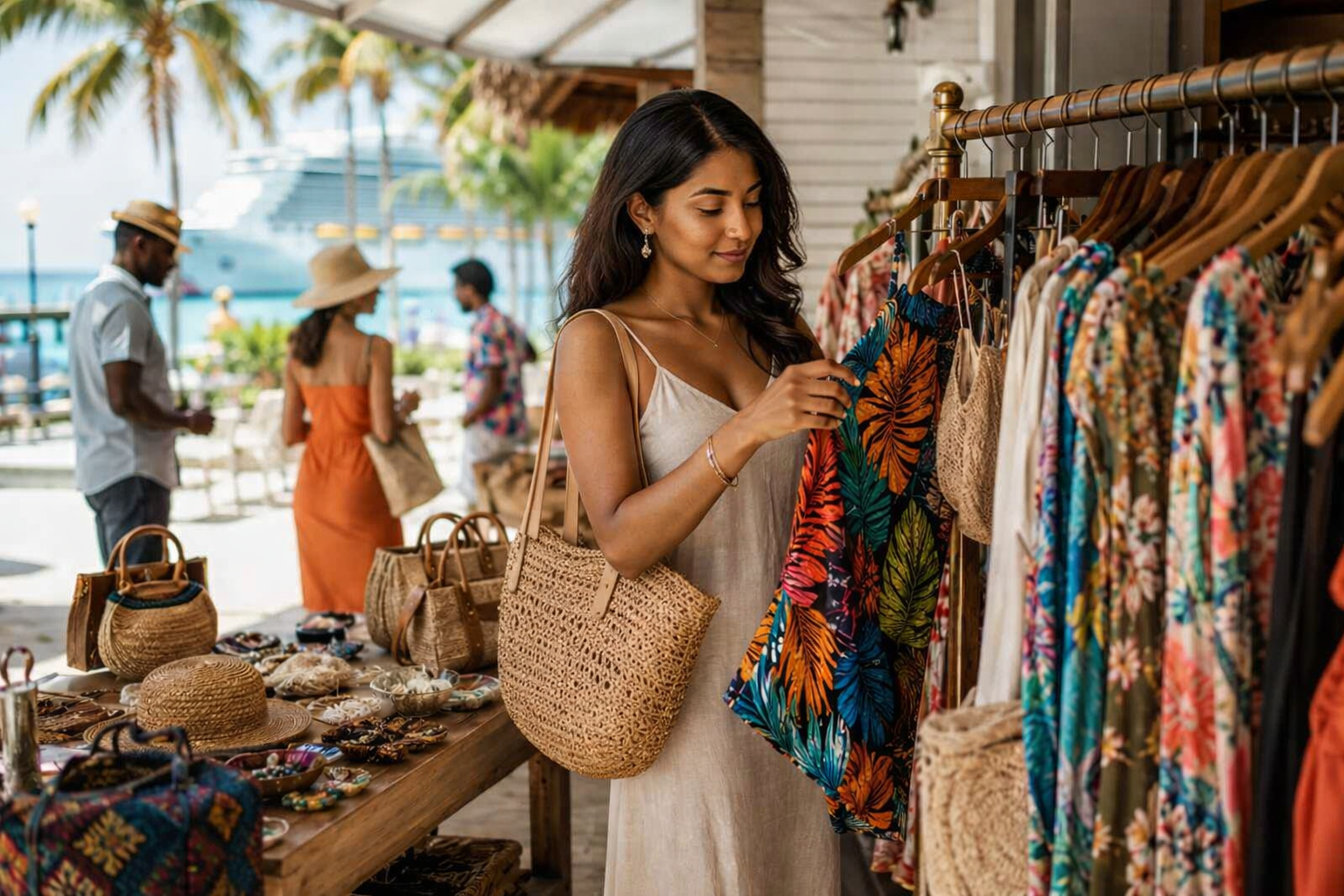
This article is part of our ‘The Business of Caribbean Fashion™’ series, based on Chapter 8 by Jessel Brizan, ‘Caribbean Fashion Marketing: Defining Caribbean Fashion’, in the ‘De Gruyter Handbook of Fashion Marketing’ edited by Olga Mitterfellner (2026 DeGruyter Brill).
The tourism industry has a significant impact on the Caribbean economy. In most Caribbean countries, tourism is the backbone of the economy. The Caribbean welcomes millions of visitors every year. According to Forbes, the Caribbean is the world’s top cruise destination, ahead of the Mediterranean, Northern Europe, Asia, and Alaska, with passenger totals more than doubling those of any other cruising region (Nikel, 2024). Visitors arrive seeking authentic experiences, cultural connections, and products that reflect a sense of place. At the same time, Caribbean fashion designers are seeking customers, visibility, and commercial growth opportunities. The question is not whether these two industries should work together, but rather why they are not already working together more effectively.
For decades, policymakers have emphasised the importance of economic diversification. However, one of the most significant opportunities for diversification may already exist within the region's tourism ecosystem. If the Caribbean's largest industry remains largely disconnected from one of its most promising creative sectors, the region could be overlooking a vital economic opportunity.
Two Industries, One Customer
Tourism and fashion are often treated as separate sectors, yet they serve many of the same consumers. The modern traveller is no longer simply purchasing accommodation or transport. Increasingly, tourists seek experiences, stories, authenticity, and products that enable them to engage more deeply with a destination. Across the world, experiential tourism has become one of the fastest-growing segments of the travel industry. Visitors want to discover local culture, meet creators, purchase unique products, and bring home something more meaningful than a souvenir. Fashion aligns naturally with this trend. Locally designed garments, accessories, handbags, jewellery, and textile products provide a unique experience that mass-produced souvenirs lack. These items carry stories, reflect local culture, and foster a lasting connection between visitors and the destinations they explore. Yet despite this natural alignment, fashion is often overlooked in the tourism value chain.
The Missed Economic Opportunity
Tourism contributes billions of dollars annually to regional economies and remains one of the Caribbean's largest sources of employment and foreign exchange earnings (López, 2024). The challenge is that much of this spending does not benefit local fashion businesses. While visitors commonly spend money on hotels, restaurants, transportation, excursions, and entertainment, few engage with local fashion brands, and when they do, purchasing opportunities are often limited, fragmented or hard to find. This represents a significant loss of economic potential. From a business perspective, every visitor represents a potential customer. From an economic perspective, every tourism dollar spent on locally designed products increases the amount of value retained within the region. The more local businesses participate in the tourism economy, the greater the multiplier effect.
Global Destinations Have Already Connected the Dots
Many successful tourism destinations understand that shopping is not merely a retail activity. It is part of the visitor experience. The world’s fashion capitals host a thriving fashion tourism industry, with visitors, particularly from Asian countries such as China and Japan, travelling to London, Milan, Paris, and New York to purchase designer fashion not readily accessible in their home countries.
Italy provides a clear example of how fashion and tourism can intertwine. Cities like Milan, Florence, and Rome have successfully incorporated fashion into their overall appeal as tourist destinations. Visitors come not only to explore historical attractions but also to engage with local brands, artisans, manufacturers, and luxury retailers. Fashion has become an integral part of the tourism experience and a vital aspect of the country's global brand.
France has taken a similar approach. Paris is not only a cultural destination but also one of the most influential fashion capitals in the world. Tourism, luxury retail, and fashion mutually reinforce each other, creating economic benefits across various sectors. Even emerging destinations are increasingly leveraging fashion as part of their tourism offering. Countries such as Morocco, South Africa, and Colombia have invested in artisan markets, fashion events, design districts, and creative experiences that connect visitors directly with local producers.
The lesson is clear. Tourism not only attracts visitors but also creates customers.
The Caribbean Already Has the Ingredients
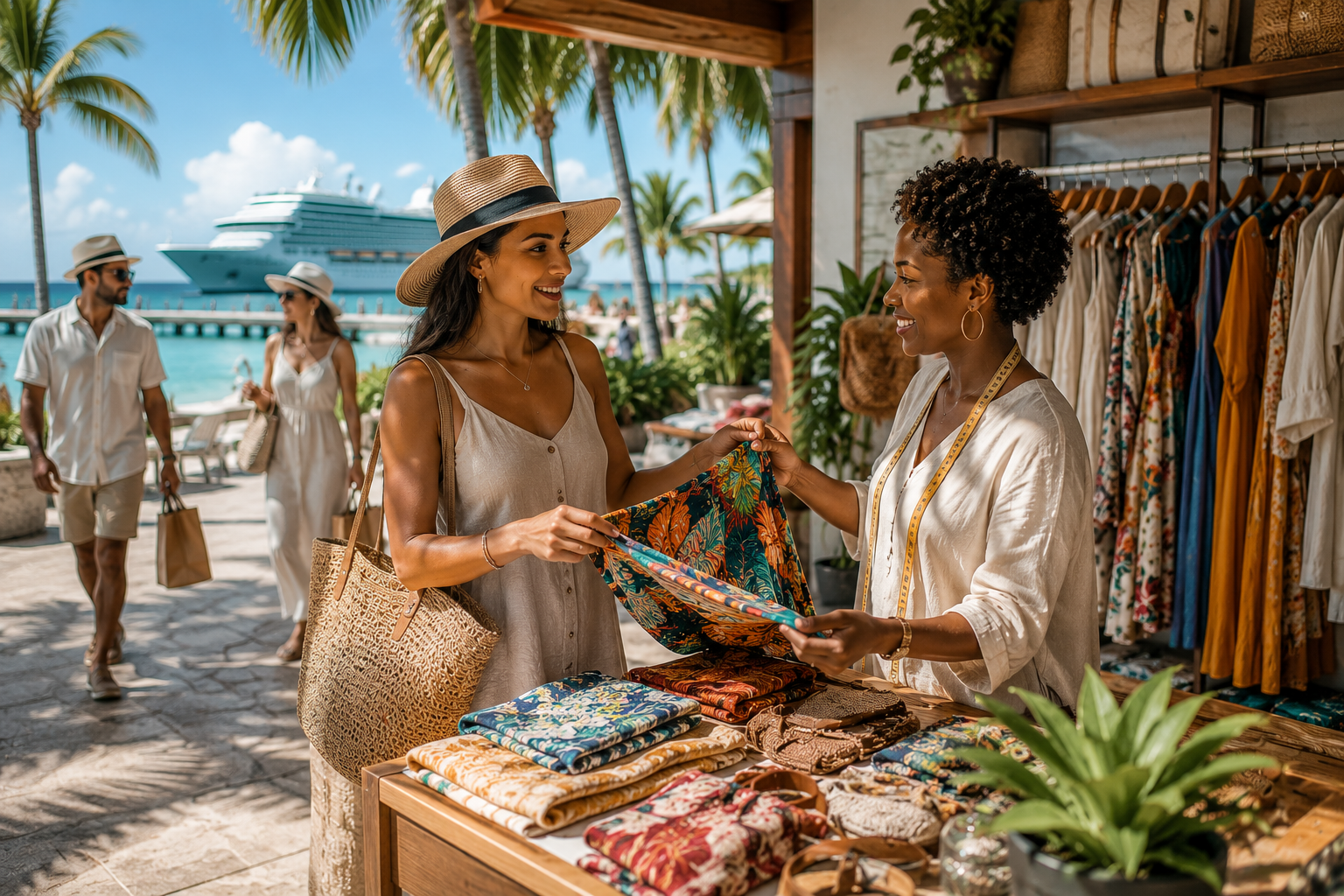
What makes this opportunity particularly compelling is that the Caribbean already has many of the necessary assets to make it successful. Caribbean cultural identity is recognised and respected globally. The region is known for its rich craft traditions, distinctive textiles, emerging designers, vibrant creative communities, and a tourism industry that attracts visitors seeking experiences unlike those available at home. Caribbean fashion remains largely peripheral to the tourism industry. The challenge is to integrate fashion into the tourism experience. Visitors may encounter local music, cuisine, festivals, and attractions throughout their stay. Yet meaningful engagement with local fashion is often accidental rather than intentional. This is a missed opportunity.
Fashion as Experience, Not Just Product
One of the most significant global shifts is the transition from product-based to experience-based consumption. Consumers increasingly value access, participation, and storytelling. This trend creates new opportunities for Caribbean fashion businesses. The future may extend beyond selling garments to include fashion studio tours, designer meet-and-greets, artisan workshops, cultural fashion experiences, hotel retail partnerships, cruise-port activations, fashion trails, destination shopping experiences, and curated retail programs featuring local brands. These initiatives generate revenue while enhancing the visitor experience. More importantly, they help transform fashion from a retail activity into a tourism asset.
A Commercial Strategy Hiding in Plain Sight
For fashion entrepreneurs, tourism offers access to customers who are already motivated to spend. For tourism stakeholders, fashion creates opportunities to increase visitor spending, strengthen destination differentiation, and retain more economic value locally. For governments, the partnership supports economic diversification, entrepreneurship, job creation, and export development. This is what economists describe as cross-sector value creation. Two industries become more valuable when they work together than when they operate independently. The Caribbean has successfully developed tourism into a globally recognised economic ecosystem. The next challenge is to ensure that more local industries benefit from it, with fashion being one of them.
What Needs to Change
Unlocking this opportunity will require greater collaboration between tourism authorities, hotels, airports, cruise operators, retailers, fashion entrepreneurs, and policymakers. Fashion should be integrated into destination marketing strategies rather than treated as a separate creative sector. Hotels should feature more locally designed products. Airports should expand opportunities for Caribbean brands. Tourism campaigns should showcase contemporary Caribbean fashion alongside food, music, and culture. Fashion events should be positioned as valuable tourism assets. And fashion entrepreneurs must increasingly design business models that recognise visitors as an important customer segment. Most importantly, both industries must begin viewing one another as strategic partners rather than separate ecosystems.
The Opportunity Ahead
Caribbean governments spend considerable time discussing how to diversify their economies, strengthen local industries, and create new pathways for growth. One of the most obvious opportunities has been in front of us all along. Every year, millions of people visit the Caribbean seeking authentic experiences and meaningful connections with the places they explore. Caribbean fashion offers exactly that. The challenge is to create the systems, partnerships, and experiences that enable local fashion businesses to capitalise on this opportunity. The future of Caribbean fashion may depend not only on attracting customers overseas but also on serving the millions who already visit our shores each year.
Click here to review The Business of Caribbean Fashion™ series.
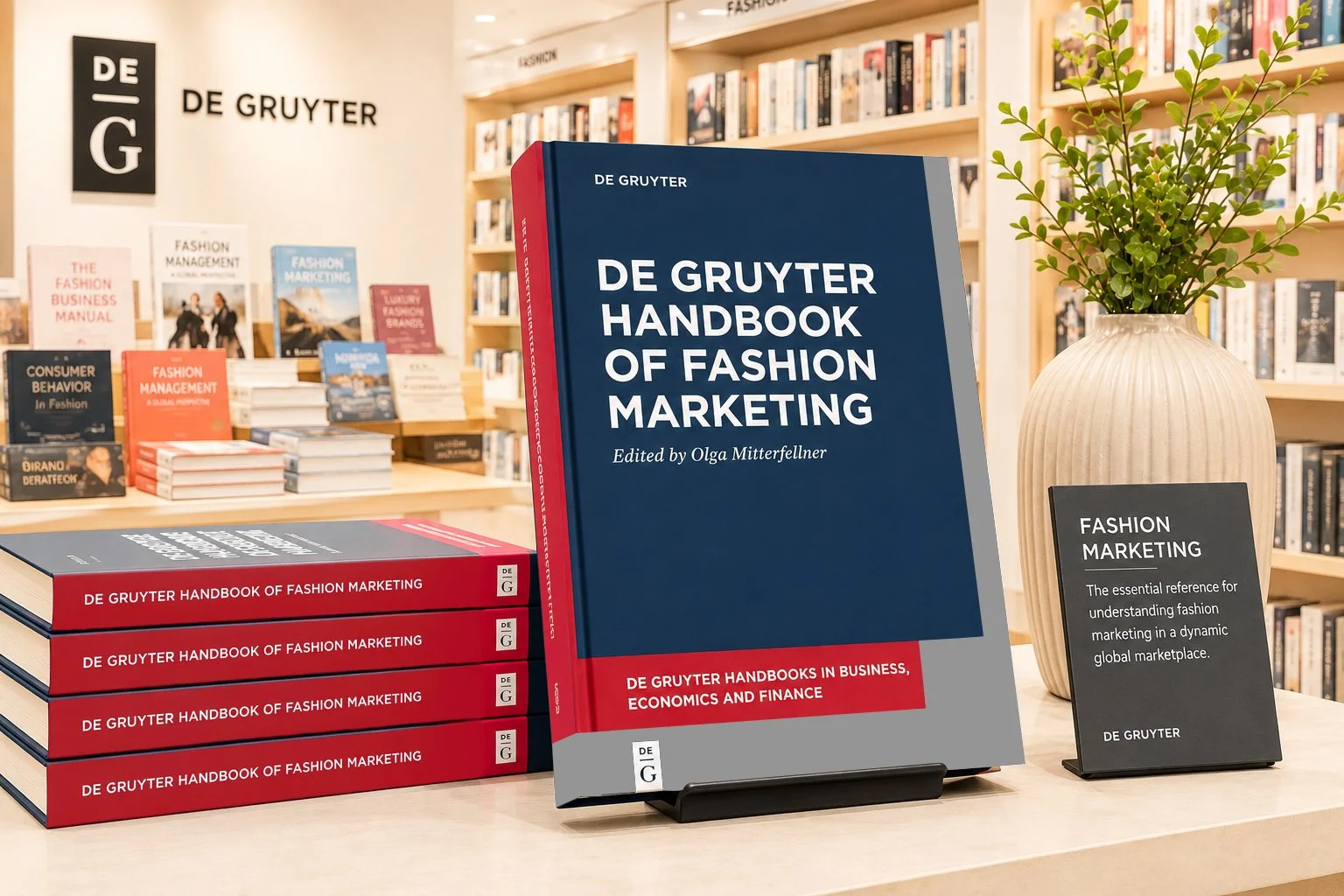
Click here to get a copy of the De Gruyter Handbook of Fashion Marketing.
References:
López, A. (2024) Total contribution of travel and tourism to the gross domestic product in Latin America and the Caribbean in 2023, with forecast for 2024. Available at: https://www.statista.com/statistics/1121174/travel-and-tourism-gdp-latin-america-caribbean/
Nikel, D. (2024) The World’s 5 Most Popular Cruise Destinations Explained. Available at: https://www.forbes.com/sites/davidnikel/2024/11/17/the-worlds-5-most-popular-cruise-destinations-explained/
Archive
- October 2026
- September 2026
- August 2026
- July 2026
- June 2026
- May 2026
- April 2026
- March 2026
- February 2026
- October 2025
- September 2025
- July 2025
- May 2025
- March 2025
- September 2023
- August 2023
- June 2023
- May 2023
- January 2023
- September 2022
- February 2022
- May 2021
- April 2021
- March 2021
- December 2020
- October 2020
- August 2020
- July 2020
- June 2020
- March 2020
- September 2019
- June 2019
- May 2019
- March 2019
- February 2019
- September 2018
- September 2016
- January 2016