
Why Caribbean Fashion Brands Struggle to Scale Internationally
by Jessel Brizan | VALSAYN, Trinidad and Tobago | 22 June 2026

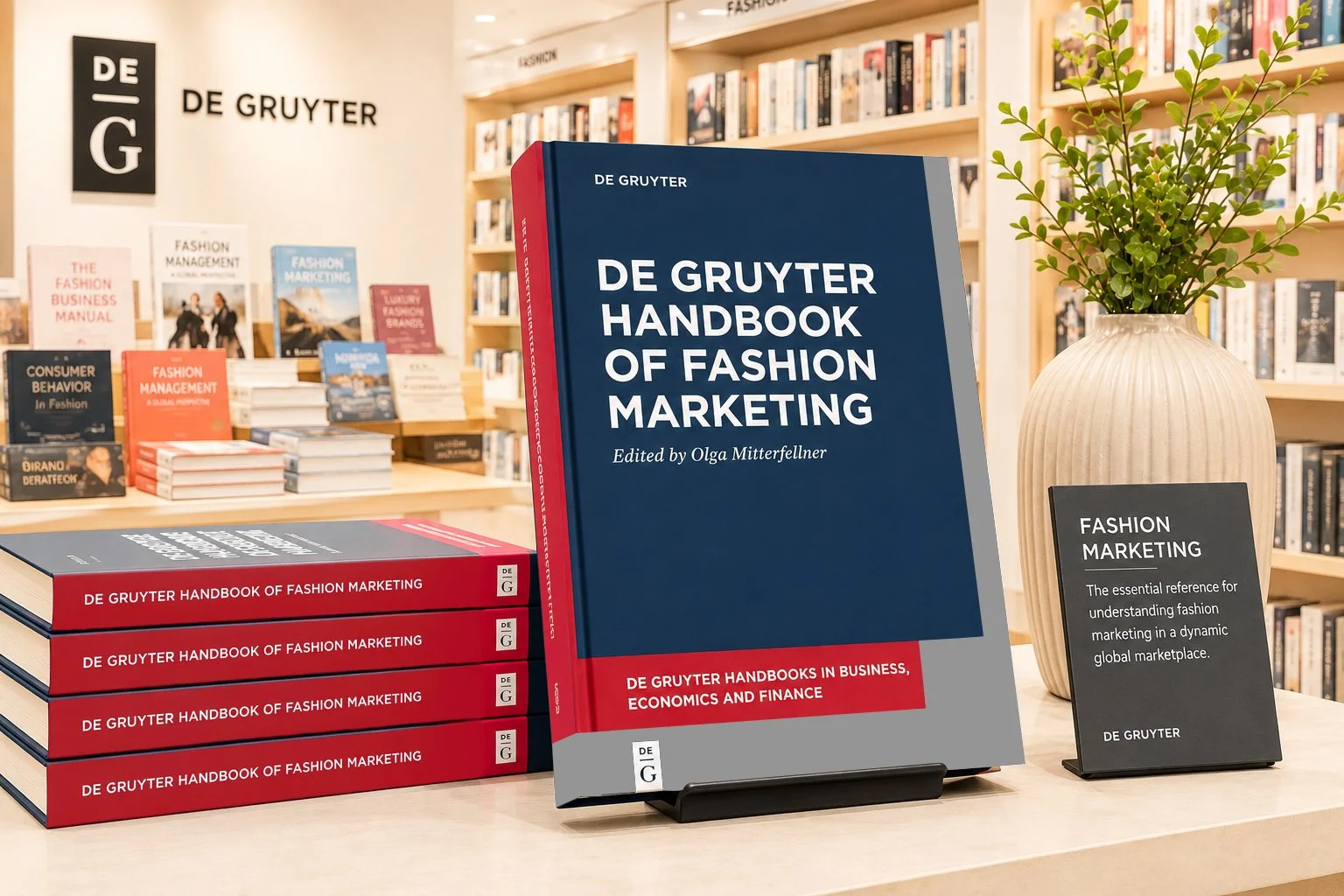
This article is part of our ‘The Business of Caribbean Fashion™’ series, based on Chapter 8 by Jessel Brizan, ‘Caribbean Fashion Marketing: Defining Caribbean Fashion’, in the ‘De Gruyter Handbook of Fashion Marketing’ edited by Olga Mitterfellner (De Gruyter Brill, 2026).
Many Caribbean fashion brands are eager to expand internationally but often lack the systems needed for sustainable growth. While this may seem surprising in an industry driven by creativity, history shows that global success requires more than design talent. The global fashion industry features countless gifted designers who have attracted media attention and celebrity endorsements and have showcased their work at renowned fashion weeks. However, many have learned the hard lesson that visibility alone does not guarantee commercial success. The uncomfortable reality is that building a successful fashion brand and scaling a successful fashion business are two very different challenges.
The Myth of Visibility
Many fashion entrepreneurs assume that international growth begins when the world discovers their brand. In reality, international growth begins when a business is prepared for what happens after it is discovered. A feature in a major publication, a celebrity endorsement, a successful trade show, or a viral social media moment can create demand. But demand alone does not create a scalable business. Buyers want reliability, retailers want consistency, customers want seamless experiences, and investors want confidence in execution. Creativity can create opportunities for a business, but strong systems are essential for ensuring its success. This distinction helps explain why many Caribbean fashion brands experience moments of visibility without achieving sustained international growth.
The Scaling Gap
From a strategic perspective, international scaling requires four capabilities working together: brand strength, operational capability, market access, and financial capacity. Many Caribbean brands possess one or two of these elements, but rarely all four. A designer may have a compelling brand and strong product, but limited production capacity. Another may have manufacturing capabilities but lack access to international buyers. Some brands generate demand through social media but struggle with logistics, inventory management, or fulfilment. Others secure export opportunities but lack the working capital required to finance larger orders. The result is what business strategists often describe as a scaling gap: demand grows faster than organisational capability. This is where growth begins to stall.
Why Ecosystems Matter More Than Talent
One of the most important lessons from global fashion economies is that successful industries are built on ecosystems, not individual success stories. Italy did not become a global fashion leader simply because it produced talented designers. Its success was built on decades of investment in textile manufacturing, supplier networks, production clusters, logistics systems, trade organisations, export support programmes, and specialised education. Similarly, South Korea's emergence as a global leader in culture and consumer products was not driven solely by creative talent. The country's success was built through coordinated investments in branding, manufacturing, technology, infrastructure, exports, and cultural industries. Fashion, beauty, entertainment, and media developed together within a broader ecosystem designed to support growth. The lesson is clear. Strong brands are important, but strong ecosystems are even more crucial.
The Caribbean's Structural Challenge
The Caribbean has many of the ingredients needed to build globally competitive fashion brands, including creativity, cultural influence, entrepreneurial ambition, and compelling storytelling. What it often lacks is the necessary infrastructure to support scalability. Many fashion businesses operate within fragmented ecosystems characterised by limited resources and production capacity, small supplier networks, inconsistent access to specialised services, high shipping costs, and restricted access to growth capital and foreign currency. As a result, designers are frequently required to function simultaneously as creative directors, production managers, marketers, sales representatives, logistics coordinators, customer service teams, and chief executives. That is not a scalable business model. It is a survival model, and survival models rarely support international expansion.
International Buyers Are Looking for More Than Great Design
One of the biggest misconceptions in emerging fashion markets is that international buyers are primarily searching for creativity. Creativity is important, but it is only the starting point. Buyers increasingly expect market fit, compelling brand identity, unique selling position (USP), commercial appeal, trend awareness, professional systems, transparent pricing, reliable production and delivery, quality assurance, sustainability credentials, digital commerce capabilities, retail readiness, responsive communication, and potential for growth and longevity. These are no longer competitive advantages. They are baseline expectations. A buyer who loves a collection but cannot rely on production timelines is unlikely to place a second order. Likewise, a retailer who experiences fulfilment issues may decide not to continue a long-term business relationship, regardless of how strong the product is. This is why operational excellence has become one of the most overlooked competitive advantages in the fashion industry.
The Commercial Cost of Staying Small
When brands struggle to scale, the consequences extend beyond individual businesses.
The region loses export opportunities.
Manufacturing capacity remains underdeveloped.
Potential jobs are never created.
Investors become reluctant to enter the sector.
And the industry continues to be perceived as small, fragmented, and commercially risky.
In other words, scaling is not simply a business challenge. It is an economic development challenge. If Caribbean fashion is to become a meaningful contributor to exports, employment, and economic diversification, more businesses must successfully transition from creative ventures to scalable enterprises.
What Needs to Change
The next phase of Caribbean fashion development requires a shift in focus from visibility to capability. Fashion entrepreneurs must invest just as much effort in developing their systems as they do in creating their collections. Governments and industry organisations must move beyond event-based support and place greater emphasis on export readiness, production infrastructure, financing, and business development. Educational institutions must teach commercial competencies alongside creative skills. Investors must recognise that building fashion businesses requires sustained capital and operational support, not merely marketing exposure.
Most importantly, the industry must redefine success. Success is not determined by the number of runway shows, social media followers, or press mentions a brand accumulates. Success is determined by whether a business can consistently generate revenue, fulfil demand, satisfy customers, manage growth, and create long-term value. Those outcomes are built through sustainable systems. The Caribbean has already proven that it can produce world-class creativity. The question now is whether it can build the structures required to support world-class businesses.
-
September 2026
- 21 Sept 2026 Why Fashion Weeks Alone Will Not Build the Caribbean Fashion Industry 21 Sept 2026
- 14 Sept 2026 What Caribbean Fashion Can Learn From K-Beauty and African Fashion 14 Sept 2026
- 7 Sept 2026 Sustainability Could Become Caribbean Fashion’s Global Advantage 7 Sept 2026
- 1 Sept 2026 The Future Caribbean Fashion Consumer Is Digital, Global and Culture-Driven 1 Sept 2026
-
August 2026
- 24 Aug 2026 The Diaspora Is Caribbean Fashion’s Most Powerful Global Distribution Network 24 Aug 2026
- 17 Aug 2026 Why Authenticity Has Become a Commercial Strategy 17 Aug 2026
- 12 Aug 2026 Storytelling Is Caribbean Fashion’s Untapped Superpower 12 Aug 2026
- 10 Aug 2026 Jessel Brizan Design Group Launches Brizan Advisory 10 Aug 2026
- 4 Aug 2026 Cultural Hybridity Is the Caribbean’s Greatest Competitive Advantage 4 Aug 2026
-
July 2026
- 29 Jul 2026 Why Caribbean Fashion Is More Than ‘Tropical Prints’ 29 Jul 2026
- 20 Jul 2026 Caribbean Fashion Must Stop Competing on Price 20 Jul 2026
- 13 Jul 2026 Tourism and Fashion: The Caribbean’s Most Untapped Partnership 13 Jul 2026
- 6 Jul 2026 The Future of Caribbean Fashion Depends on Commercial Education 6 Jul 2026
-
June 2026
- 29 Jun 2026 The Caribbean Fashion Industry Needs More CEOs, Not Just Designers 29 Jun 2026
- 27 Jun 2026 Jessel Brizan Featured in Trinidad Guardian: A Mission to Transform Caribbean Fashion 27 Jun 2026
- 24 Jun 2026 Jessel Brizan Donates Book to UTT Libraries 24 Jun 2026
- 22 Jun 2026 Why Caribbean Fashion Brands Struggle to Scale Internationally 22 Jun 2026
- 15 Jun 2026 Caribbean Fashion Has a Branding Problem, Not a Creativity Problem 15 Jun 2026
- 10 Jun 2026 The Evolution of Jessel Brizan Design Group 10 Jun 2026
- 8 Jun 2026 Fashion Is One of the Caribbean’s Most Undervalued Economic Assets 8 Jun 2026
- 1 Jun 2026 Brizan Contributes to De Gruyter Handbook of Fashion Marketing 1 Jun 2026
- 1 Jun 2026 The Global Fashion Industry Has Been Borrowing From the Caribbean for Decades 1 Jun 2026
-
May 2026
- 26 May 2026 JBDG set to launch ‘The Business of Caribbean Fashion™’ Series 26 May 2026
- 18 May 2026 Wholesale vs Direct-to-Consumer: Which Is Right for You? 18 May 2026
- 11 May 2026 The Follow-Up Strategy That Turns Meetings Into Orders 11 May 2026
- 6 May 2026 Acknowledging ‘Selling Fashion Collections’ 6 May 2026
- 4 May 2026 The 7 Costly Mistakes Designers Make Before Meeting Buyers 4 May 2026
- 1 May 2026 Brizan Awards the SFC Book Giveaway Prize to Naballah Chi 1 May 2026
-
April 2026
- 29 Apr 2026 Jessel Brizan Publishes Third Book 29 Apr 2026
- 27 Apr 2026 Why I Wrote Selling Fashion Collections 27 Apr 2026
- 20 Apr 2026 Total Image Projection: How to Win a Buyer Meeting 20 Apr 2026
- 13 Apr 2026 The Perfect Buyer Meeting Kit 13 Apr 2026
- 9 Apr 2026 How to Research Buyers Before You Pitch 9 Apr 2026
-
March 2026
- 30 Mar 2026 What Buyers Really Look for in a Collection 30 Mar 2026
- 24 Mar 2026 How to Create a Line Plan That Appeals to Buyers 24 Mar 2026
- 23 Mar 2026 Mastering Your Pricing Strategy in Fashion 23 Mar 2026
- 16 Mar 2026 Understanding Design Markets: Where Does Your Brand Truly Sit? 16 Mar 2026
- 3 Mar 2026 Creativity Is Not Enough: Why Fashion Designers Struggle to Sell 3 Mar 2026
-
February 2026
- 24 Feb 2026 Why Design Structure Is the Backbone of a Sellable Fashion Collection 24 Feb 2026
-
October 2025
- 17 Oct 2025 14 Core Principles of Brand Ethos 17 Oct 2025
-
September 2025
- 4 Sept 2025 An Affirmation from Louis Vuitton Beauty, Pt. 2 4 Sept 2025
-
July 2025
- 27 Jul 2025 JBDG Selected for Showcase at Caribbean Investment Forum 2025 27 Jul 2025
-
May 2025
- 7 May 2025 The Blueprint of Fashion Design 7 May 2025
- 3 May 2025 The Five Segments of the Global Fashion Industry 3 May 2025
-
March 2025
- 20 Mar 2025 An Affirmation from Louis Vuitton Beauty 20 Mar 2025
-
September 2023
- 12 Sept 2023 I Heart TT™ 12 Sept 2023
- 3 Sept 2023 Why Companies Value Teamwork 3 Sept 2023
-
August 2023
- 18 Aug 2023 The Power of Purpose, Prayer and Perseverance 18 Aug 2023
-
June 2023
- 11 Jun 2023 The Divine Hierarchy of Life © 11 Jun 2023
-
May 2023
- 31 May 2023 How to Successfully Navigate a Fashion Internship 31 May 2023
-
January 2023
- 4 Jan 2023 Made To Wear™ 4 Jan 2023
-
September 2022
- 7 Sept 2022 The definitive guide to Caribbean fashion selling seasons 7 Sept 2022
-
February 2022
- 3 Feb 2022 Ethos 3 Feb 2022
-
May 2021
- 23 May 2021 The Art of the T 23 May 2021
-
April 2021
- 28 Apr 2021 I Heart TT™ introduces new merch 28 Apr 2021
-
March 2021
- 19 Mar 2021 AUX reveals redesigned logo to mark anniversary 19 Mar 2021
- 11 Mar 2021 AUX introduces digital catalogue 11 Mar 2021
-
December 2020
- 31 Dec 2020 2020: The year that was 31 Dec 2020
-
October 2020
- 4 Oct 2020 Brizan Publishing launches second publication 4 Oct 2020
-
August 2020
- 30 Aug 2020 AUX reveals visuals of proposed concept for Breezes 30 Aug 2020
-
July 2020
- 1 Jul 2020 Brizan Publishing issues first publication 1 Jul 2020
-
June 2020
- 21 Jun 2020 Brizan Publishing readies for launch 21 Jun 2020
-
March 2020
- 10 Mar 2020 I Heart TT gives to Cyril Ross 10 Mar 2020
-
September 2019
- 19 Sept 2019 Biography: Jessel Brizan 19 Sept 2019
-
June 2019
- 30 Jun 2019 Selling Your Collection 30 Jun 2019
-
May 2019
- 26 May 2019 Technical Package Development 26 May 2019
- 19 May 2019 Developing Caribbean fashion 19 May 2019
-
March 2019
- 10 Mar 2019 Introducing AUX 10 Mar 2019
-
February 2019
- 24 Feb 2019 Philanthropy Through Fashion 24 Feb 2019
- 1 Feb 2019 Celebrate with us! 1 Feb 2019
-
September 2018
- 30 Sept 2018 Island Safari Trend Inspiration 30 Sept 2018
-
September 2016
- 5 Sept 2016 Nautropical Trend Inspiration 5 Sept 2016
-
January 2016
- 1 Jan 2016 Humble Origins 1 Jan 2016