
The Five Segments of the Global Fashion Industry
by Jessel Brizan | VALSAYN, Trinidad and Tobago | May 3, 2025

PREAMBLE
The following contains excerpts from the book ‘Technical Package Development for Excel’, First Edition, Jessel Brizan © 2020.
In the context of conventional education, we are often dictated to about concepts, frameworks, theories, and the like as rules to be acknowledged and accepted without argument. Such is the fallacy of outdated models of learning, often dispensed at the behest of “fake teachers”.
I cannot remember where and when I was first introduced to the segments of fashion, but I do recall learning that the global fashion industry is delineated and supported by four (4) fashion segments: Textile and Fibre Industry, Design and Production Trades, Auxiliary or Fashion-Related Trades, and Retail Trade. Traditionally, the latter segment has been integrated with consumers. Herein lies one of the major oversights of the global fashion industry.
The consumer plays a key role in shaping the fashion market. To overlook the significance of the customer as a distinct stakeholder of the global fashion industry and merely integrate consumers with the retail trade is analogous to racism and colourism. Let me clarify. It is analogous to integrating all persons of African origin and labelling them as ‘Black’. It is analogous to integrating all Spanish-speaking peoples of the Americas and labelling them as ‘Hispanic’. It is analogous to integrating all non-melanated people of European origin and labelling them as ‘White’. These are all false man-made ideologies perpetuated by God-less, soul-less sub-human beings who are bereft of any form of spiritual, emotional or common intelligence. And to group consumers with retailers perpetuates the same cycle of ignorance.
IT IS A DISTINCT DIFFERENCE BETWEEN A LECTURER AND AN EDUCATOR.
Please permit me to don my educator cap to circumvent the cycle of ignorance as meted out in the educational pulpits of false prophets who profess themselves to be pundits of the noble profession of fashion.
“The consumer is the ultimate driver of the fashion market.”
In understanding the global fashion industry, it is important to identify the interrelated segments that form its ecosystem. Each segment plays a distinct role in shaping the industry by influencing market dynamics, trends and culture. This ecosystem comprises five (5) primary segments, each playing a critical role in a harmonious, interconnected and continuous cycle: Fibre and Textile Industry, Design and Production Trades, Auxiliary or Fashion-Related Trades, Retail Trade, and Consumer.
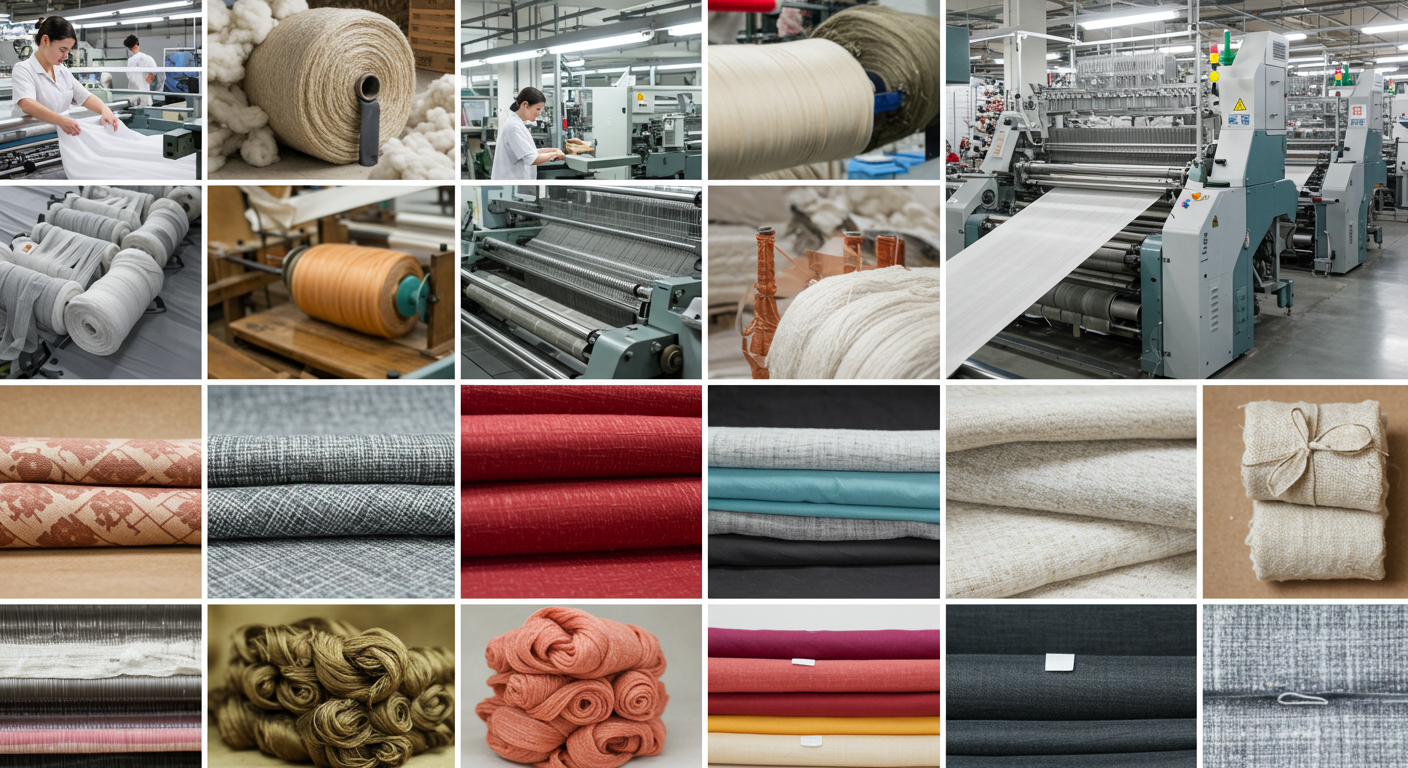
1. Fibre and Textile Industry
This segment forms the backbone of the fashion market and encompasses the cultivation, production and supply of raw materials necessary for production. This includes raw materials, such as cotton, wool, and synthetic fibres, as well as the creation of textiles through processes like weaving, knitting, and dyeing. Innovations, technological advances, and sustainability practices have profoundly impacted this segment, influencing the direction of fashion trends and driving innovation in fabric types and production methods.
2. Design and Production Trades
This segment includes designers, patternmakers, sample makers, production teams, and manufacturers. The design and production trades not only translate creative ideas into tangible collections but also transform raw textiles into finished garments and accessories. Fashion presentations at this level include fashion and market weeks and trade shows.
3. Auxiliary or Fashion-Related Trades
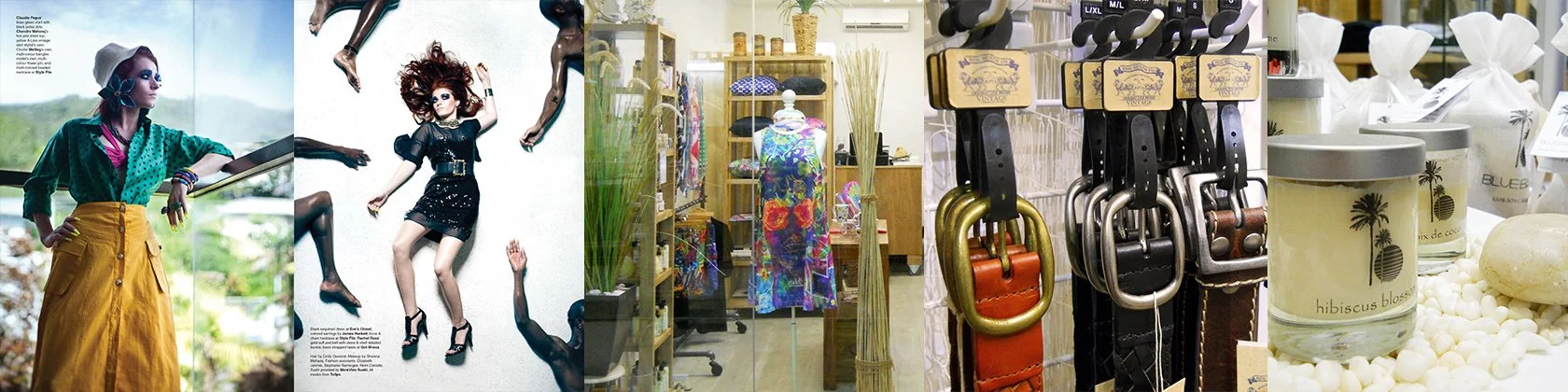
The auxiliary trades provide the necessary services and infrastructure to support the fashion industry. This includes fashion consulting services, trend forecasting firms, advertising and marketing agencies, public relations, trade show and event organisers, trade publications and magazines, and fashion media, including journalists, photographers and videographers. These entities help amplify a brand’s visibility and connect it with its target audience. Their influence shapes consumer perceptions and the industry's creative narrative, serving as a bridge between production and the end consumer.
4. Retail Trade
The retail trade serves as an intermediary, connecting brands with consumers. Ranging from multi-brand outlets to direct-to-consumer models, this segment includes department stores, online platforms, specialty retailers, boutiques, and pop-up shops. Retailers curate collections that reflect their customers' preferences and purchasing behaviours.
5. Consumers
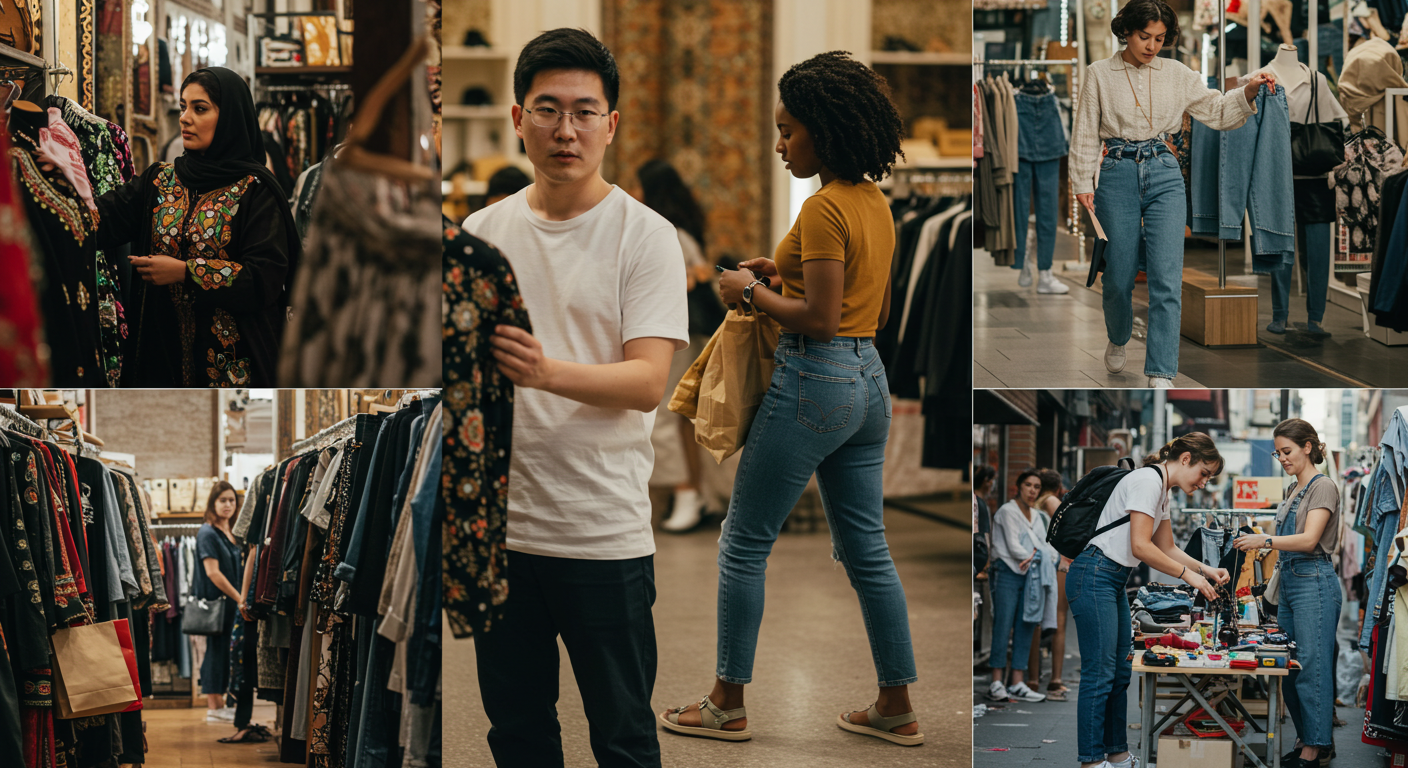
The consumer is the ultimate driver of the fashion market; their preferences, purchasing habits and evolving expectations fuel demand. Shifts in consumer behaviour, influenced by cultural trends, economic conditions, and social media, dictate what sells and what does not.
To the true students of fashion, as with religion, the onus is on the individual to be receptive to knowledge, but also inquisitive about seeking a deeper understanding of the truth. In this light, I implore you to exercise your divine right and freedom to seek a deeper understanding of the knowledge being dispensed in books, classrooms, lecture halls, and environments of shared learning and capacity building. Hold lecturers accountable and be courageous in questioning that which appears to be misleading.
IMITATION UNDERMINES INNATE CREATIVITY.
-
September 2026
- 14 Sept 2026 What Caribbean Fashion Can Learn From K-Beauty and African Fashion 14 Sept 2026
- 7 Sept 2026 Sustainability Could Become Caribbean Fashion’s Global Advantage 7 Sept 2026
- 1 Sept 2026 The Future Caribbean Fashion Consumer Is Digital, Global and Culture-Driven 1 Sept 2026
-
August 2026
- 24 Aug 2026 The Diaspora Is Caribbean Fashion’s Most Powerful Global Distribution Network 24 Aug 2026
- 17 Aug 2026 Why Authenticity Has Become a Commercial Strategy 17 Aug 2026
- 12 Aug 2026 Storytelling Is Caribbean Fashion’s Untapped Superpower 12 Aug 2026
- 10 Aug 2026 Jessel Brizan Design Group Launches Brizan Advisory 10 Aug 2026
- 4 Aug 2026 Cultural Hybridity Is the Caribbean’s Greatest Competitive Advantage 4 Aug 2026
-
July 2026
- 29 Jul 2026 Why Caribbean Fashion Is More Than ‘Tropical Prints’ 29 Jul 2026
- 20 Jul 2026 Caribbean Fashion Must Stop Competing on Price 20 Jul 2026
- 13 Jul 2026 Tourism and Fashion: The Caribbean’s Most Untapped Partnership 13 Jul 2026
- 6 Jul 2026 The Future of Caribbean Fashion Depends on Commercial Education 6 Jul 2026
-
June 2026
- 29 Jun 2026 The Caribbean Fashion Industry Needs More CEOs, Not Just Designers 29 Jun 2026
- 27 Jun 2026 Jessel Brizan Featured in Trinidad Guardian: A Mission to Transform Caribbean Fashion 27 Jun 2026
- 24 Jun 2026 Jessel Brizan Donates Book to UTT Libraries 24 Jun 2026
- 22 Jun 2026 Why Caribbean Fashion Brands Struggle to Scale Internationally 22 Jun 2026
- 15 Jun 2026 Caribbean Fashion Has a Branding Problem, Not a Creativity Problem 15 Jun 2026
- 10 Jun 2026 The Evolution of Jessel Brizan Design Group 10 Jun 2026
- 8 Jun 2026 Fashion Is One of the Caribbean’s Most Undervalued Economic Assets 8 Jun 2026
- 1 Jun 2026 Brizan Contributes to De Gruyter Handbook of Fashion Marketing 1 Jun 2026
- 1 Jun 2026 The Global Fashion Industry Has Been Borrowing From the Caribbean for Decades 1 Jun 2026
-
May 2026
- 26 May 2026 JBDG set to launch ‘The Business of Caribbean Fashion™’ Series 26 May 2026
- 18 May 2026 Wholesale vs Direct-to-Consumer: Which Is Right for You? 18 May 2026
- 11 May 2026 The Follow-Up Strategy That Turns Meetings Into Orders 11 May 2026
- 6 May 2026 Acknowledging ‘Selling Fashion Collections’ 6 May 2026
- 4 May 2026 The 7 Costly Mistakes Designers Make Before Meeting Buyers 4 May 2026
- 1 May 2026 Brizan Awards the SFC Book Giveaway Prize to Naballah Chi 1 May 2026
-
April 2026
- 29 Apr 2026 Jessel Brizan Publishes Third Book 29 Apr 2026
- 27 Apr 2026 Why I Wrote Selling Fashion Collections 27 Apr 2026
- 20 Apr 2026 Total Image Projection: How to Win a Buyer Meeting 20 Apr 2026
- 13 Apr 2026 The Perfect Buyer Meeting Kit 13 Apr 2026
- 9 Apr 2026 How to Research Buyers Before You Pitch 9 Apr 2026
-
March 2026
- 30 Mar 2026 What Buyers Really Look for in a Collection 30 Mar 2026
- 24 Mar 2026 How to Create a Line Plan That Appeals to Buyers 24 Mar 2026
- 23 Mar 2026 Mastering Your Pricing Strategy in Fashion 23 Mar 2026
- 16 Mar 2026 Understanding Design Markets: Where Does Your Brand Truly Sit? 16 Mar 2026
- 3 Mar 2026 Creativity Is Not Enough: Why Fashion Designers Struggle to Sell 3 Mar 2026
-
February 2026
- 24 Feb 2026 Why Design Structure Is the Backbone of a Sellable Fashion Collection 24 Feb 2026
-
October 2025
- 17 Oct 2025 14 Core Principles of Brand Ethos 17 Oct 2025
-
September 2025
- 4 Sept 2025 An Affirmation from Louis Vuitton Beauty, Pt. 2 4 Sept 2025
-
July 2025
- 27 Jul 2025 JBDG Selected for Showcase at Caribbean Investment Forum 2025 27 Jul 2025
-
May 2025
- 7 May 2025 The Blueprint of Fashion Design 7 May 2025
- 3 May 2025 The Five Segments of the Global Fashion Industry 3 May 2025
-
March 2025
- 20 Mar 2025 An Affirmation from Louis Vuitton Beauty 20 Mar 2025
-
September 2023
- 12 Sept 2023 I Heart TT™ 12 Sept 2023
- 3 Sept 2023 Why Companies Value Teamwork 3 Sept 2023
-
August 2023
- 18 Aug 2023 The Power of Purpose, Prayer and Perseverance 18 Aug 2023
-
June 2023
- 11 Jun 2023 The Divine Hierarchy of Life © 11 Jun 2023
-
May 2023
- 31 May 2023 How to Successfully Navigate a Fashion Internship 31 May 2023
-
January 2023
- 4 Jan 2023 Made To Wear™ 4 Jan 2023
-
September 2022
- 7 Sept 2022 The definitive guide to Caribbean fashion selling seasons 7 Sept 2022
-
February 2022
- 3 Feb 2022 Ethos 3 Feb 2022
-
May 2021
- 23 May 2021 The Art of the T 23 May 2021
-
April 2021
- 28 Apr 2021 I Heart TT™ introduces new merch 28 Apr 2021
-
March 2021
- 19 Mar 2021 AUX reveals redesigned logo to mark anniversary 19 Mar 2021
- 11 Mar 2021 AUX introduces digital catalogue 11 Mar 2021
-
December 2020
- 31 Dec 2020 2020: The year that was 31 Dec 2020
-
October 2020
- 4 Oct 2020 Brizan Publishing launches second publication 4 Oct 2020
-
August 2020
- 30 Aug 2020 AUX reveals visuals of proposed concept for Breezes 30 Aug 2020
-
July 2020
- 1 Jul 2020 Brizan Publishing issues first publication 1 Jul 2020
-
June 2020
- 21 Jun 2020 Brizan Publishing readies for launch 21 Jun 2020
-
March 2020
- 10 Mar 2020 I Heart TT gives to Cyril Ross 10 Mar 2020
-
September 2019
- 19 Sept 2019 Biography: Jessel Brizan 19 Sept 2019
-
June 2019
- 30 Jun 2019 Selling Your Collection 30 Jun 2019
-
May 2019
- 26 May 2019 Technical Package Development 26 May 2019
- 19 May 2019 Developing Caribbean fashion 19 May 2019
-
March 2019
- 10 Mar 2019 Introducing AUX 10 Mar 2019
-
February 2019
- 24 Feb 2019 Philanthropy Through Fashion 24 Feb 2019
- 1 Feb 2019 Celebrate with us! 1 Feb 2019
-
September 2018
- 30 Sept 2018 Island Safari Trend Inspiration 30 Sept 2018
-
September 2016
- 5 Sept 2016 Nautropical Trend Inspiration 5 Sept 2016
-
January 2016
- 1 Jan 2016 Humble Origins 1 Jan 2016