
Why Authenticity Has Become a Commercial Strategy
by Jessel Brizan | VALSAYN, Trinidad and Tobago | 17 August July 2026
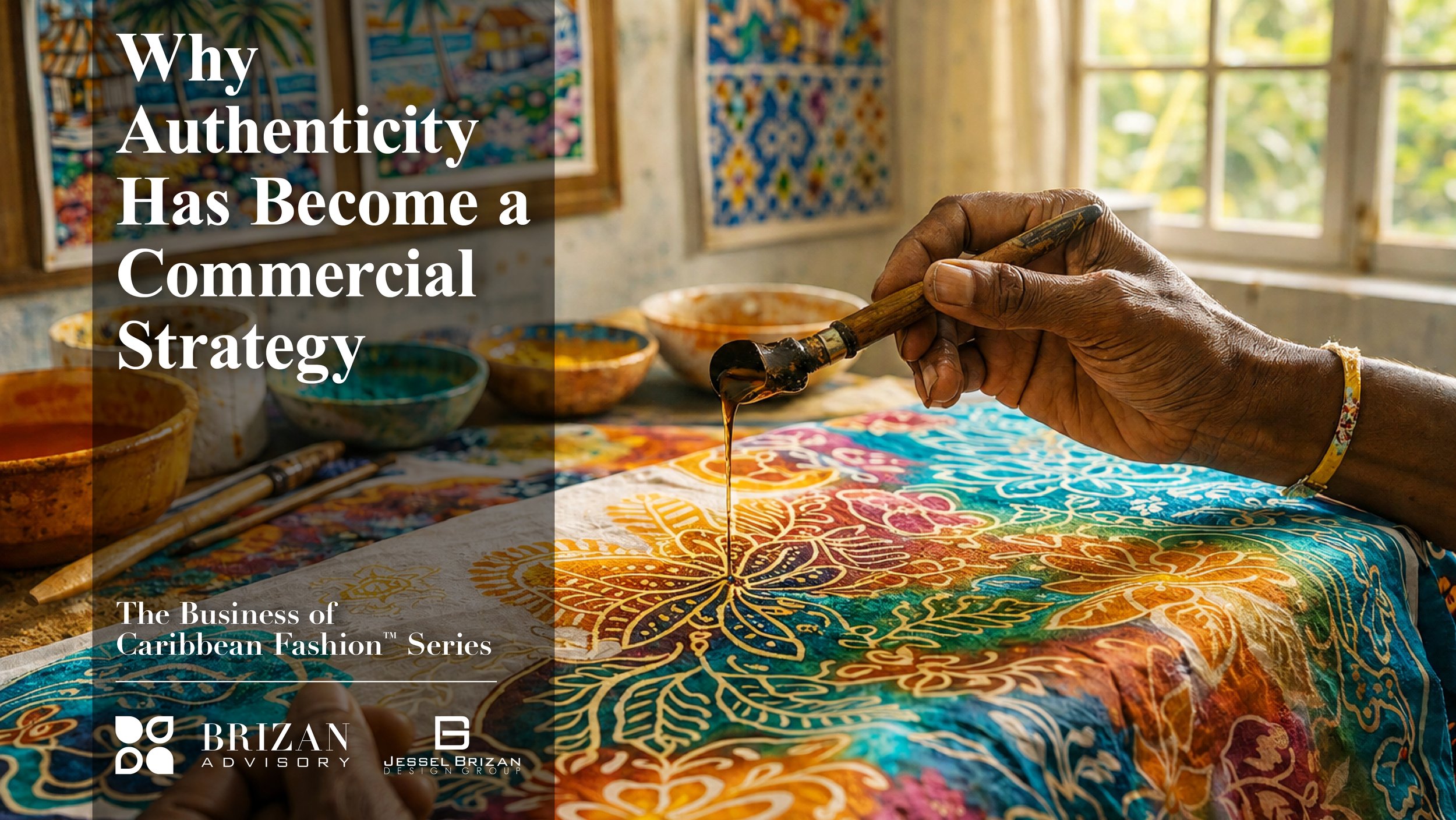
This article is part of our ‘The Business of Caribbean Fashion™’ series, inspired by Chapter 8 by Jessel Brizan, ‘Caribbean Fashion Marketing: Defining Caribbean Fashion’, in the ‘De Gruyter Handbook of Fashion Marketing’ edited by Olga Mitterfellner (De Gruyter Brill, 2026).
Traditionally, authenticity was treated as a branding exercise. Today, it has become a commercial strategy. Consumers are overwhelmed by choice, exposed to thousands of marketing messages daily, and increasingly sceptical of corporate claims. As a result, authenticity has become one of the most valuable assets a brand can have. This shift is particularly significant for the Caribbean fashion industry. Discussions about Caribbean fashion have centred on creativity, craftsmanship, culture, and identity. While these qualities remain important, their true value lies not simply in their existence but in their ability to create authentic connections with consumers. The brands that will succeed in the next decade are not necessarily those with the largest marketing budgets. They will be the brands that consumers trust and believe in. And belief has become one of the most influential factors driving commercial success.
The Trust Economy Has Arrived
The global fashion industry is experiencing a profound transformation. Consumers today are more informed than ever before. They have access to product reviews, social media commentary, behind-the-scenes content, sustainability reports, and direct communication with brands. As a result, traditional marketing messages have become less effective. Consumers increasingly trust people more than advertisements. They trust creators more than corporations. They trust transparency more than polished campaigns. This shift has created what many business strategists describe as a trust economy, where commercial success is increasingly linked to credibility and authenticity. The implications for fashion are significant. Consumers are no longer asking only, "What does this product cost?" They are also asking:
Who made it?
Where was it produced?
What does this brand stand for?
Can I trust its claims?
Does it align with my values?
The answers to these questions increasingly influence purchasing decisions.
Authenticity Creates Competitive Advantage
In traditional economic models, competitive advantage often came from scale, cost efficiency, distribution networks, or technology. While these factors remain important, authenticity has become a key competitive advantage because it is difficult to replicate. Competitors can copy garments, trends, or marketing campaigns, but they cannot easily imitate a genuine story, lived experience, cultural heritage, or strong brand identity. This makes authenticity a uniquely defensible asset. In strategic terms, authenticity functions as a form of differentiation that strengthens customer relationships and reduces direct price competition. Consumers who connect emotionally with a brand are often less price-sensitive and more likely to remain loyal over time. This translates directly into commercial value.
The Caribbean Is Naturally Positioned for This Era
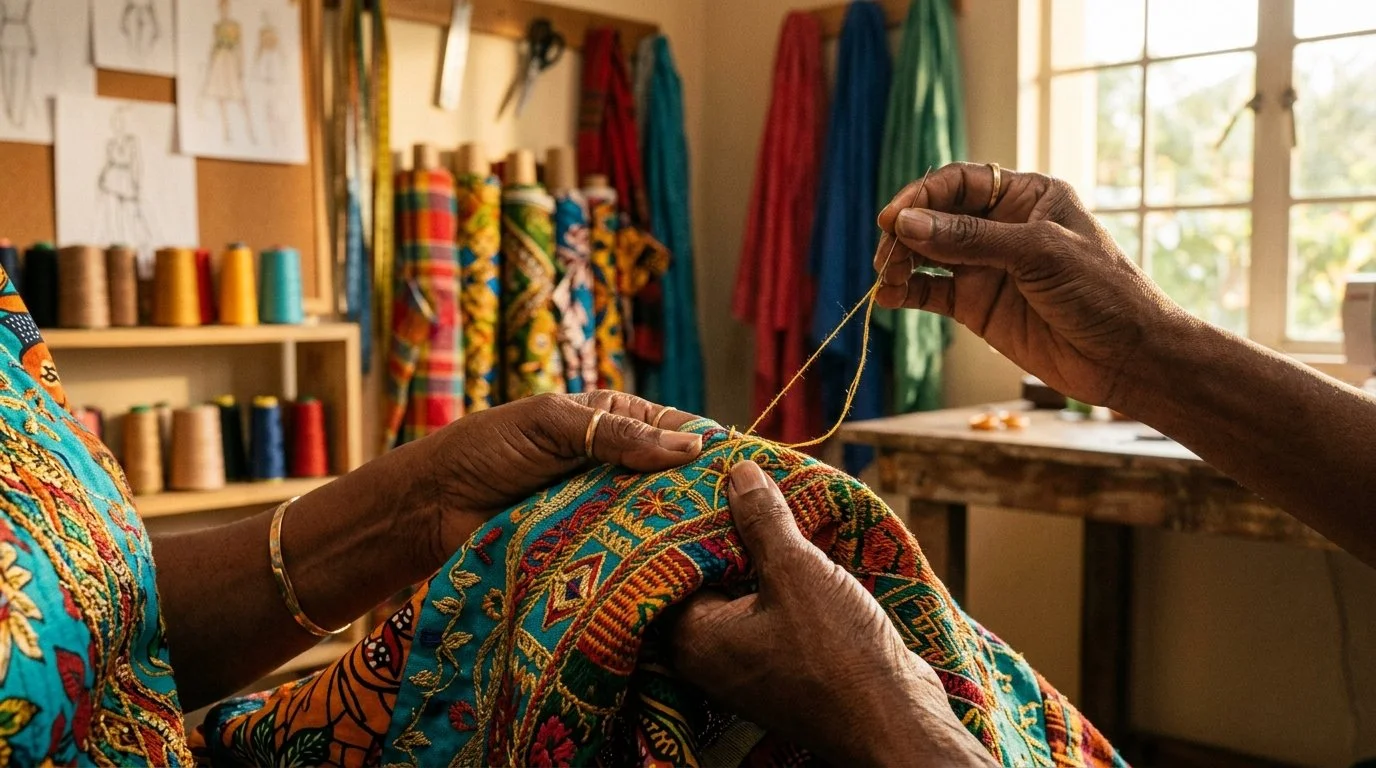
Few regions are better positioned for the authenticity economy than the Caribbean. The region's fashion industry is shaped by stories of cultural hybridity, resilience, craftsmanship, and community. Unlike many large global brands that spend millions attempting to manufacture authenticity, Caribbean fashion businesses often possess it naturally. The challenge is recognising its value and communicating it effectively. Many Caribbean brands continue to focus their marketing primarily on products, aesthetics, or price. Meanwhile, some of their strongest competitive assets remain underutilised.
Global Brands Have Already Recognised the Value of Authenticity
Many of the world's most successful fashion and lifestyle companies have built their growth strategies around authenticity. Patagonia transformed environmental activism into a core element of its business model, creating one of the most trusted brands in the apparel industry. Hermès continues to reinforce narratives around craftsmanship, heritage, and artisanal excellence that have been cultivated over generations. Premium denim brands often emphasise founder stories, manufacturing traditions, and local production to differentiate themselves in highly competitive markets. Similarly, many successful African fashion brands have gained international recognition by embracing cultural authenticity rather than minimising it. Instead of distancing themselves from their origins, they have made those origins central to their brand identities. The key takeaway is that authenticity does not limit commercial potential but enhances it.
The Rise of Artificial Intelligence Makes Authenticity More Valuable
Perhaps the most important trend shaping the future of branding is the rapid growth of artificial intelligence. AI is making it easier to generate content, create designs, write marketing copy, and produce visual assets at unprecedented speed. As a result, content itself is becoming increasingly abundant. When everything can be created, authenticity becomes even more valuable. Consumers will increasingly differentiate between generated content and genuine experiences. They will recognise the difference between invented stories and real ones, as well as between brands that simulate culture and those that emerge from it. This creates a significant opportunity for Caribbean fashion, which is deeply rooted in lived experiences that cannot be automated.
Authenticity Supports Premium Pricing
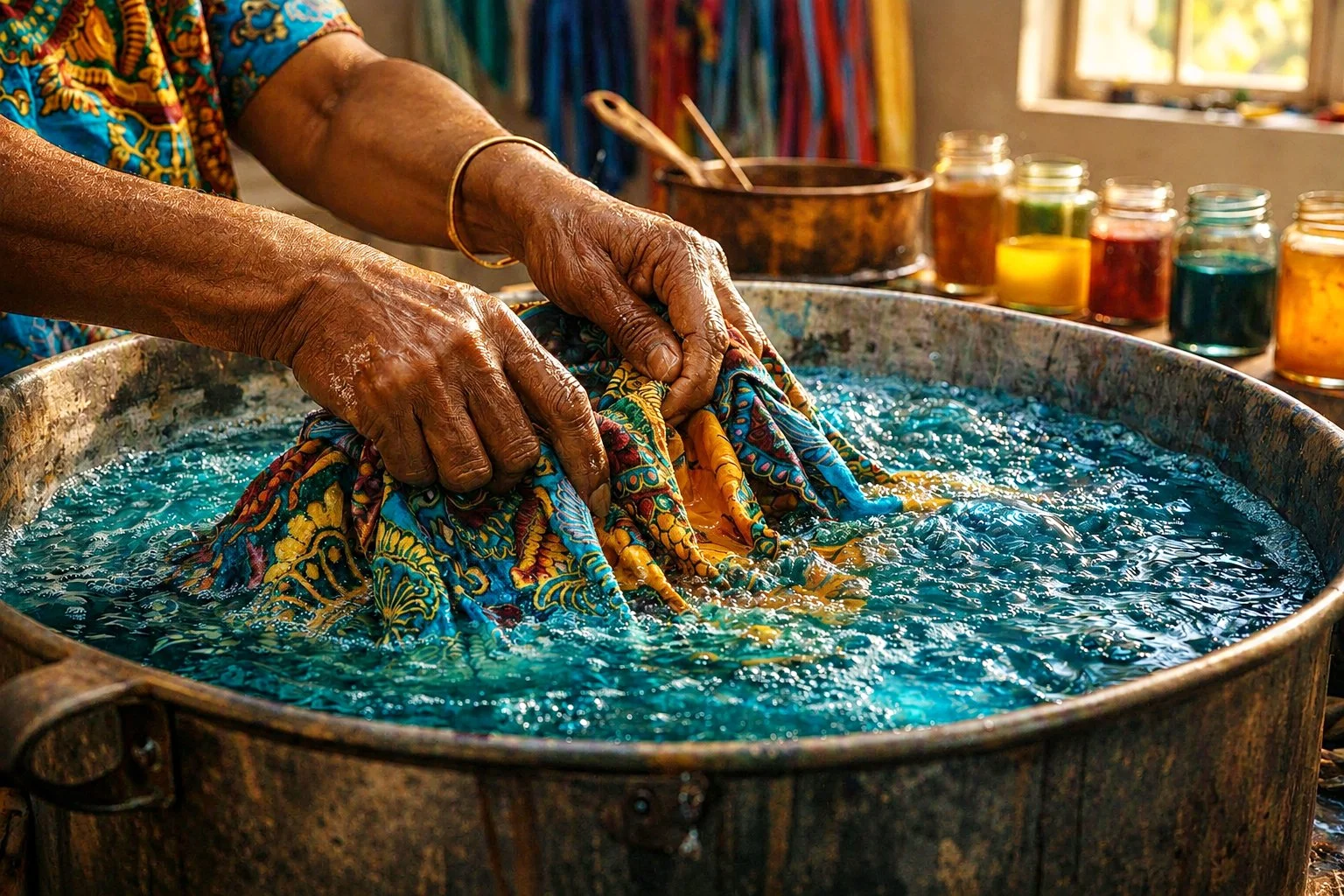
One of the most misunderstood aspects of authenticity is its relationship to profitability. Many entrepreneurs view authenticity primarily as a communications tool. Essentially, it is also a pricing strategy. Consumers often pay a premium for products they perceive as authentic, artisanal, locally produced, culturally significant, or purpose-driven. This is because authenticity enhances the perceived value of products, transforming them from functional purchases into emotional connections. This is particularly important for Caribbean fashion businesses seeking to move beyond competing on price. As discussed in a previous article in this series, competing on cost is rarely a winning strategy for small fashion businesses. Authenticity provides an alternative path. It allows brands to compete on meaning rather than price. And meaning often commands higher margins.
Moving Beyond Performative Authenticity
Authenticity, however, cannot be manufactured. Consumers have become adept at spotting inconsistencies between what brands say and what they do. Authenticity is not merely a slogan, marketing campaign, or social media strategy. It represents the alignment of identity, values, actions, and communication. Brands that claim sustainability must demonstrate it. Brands that celebrate culture must respect it. Brands that promote craftsmanship must deliver quality. Authenticity is ultimately a business discipline that requires consistency.
What Caribbean Fashion Must Do Next
The Caribbean fashion industry should begin treating authenticity as a strategic asset rather than an abstract concept. This means documenting founder stories, celebrating craftsmanship, highlighting cultural influences, communicating production practices, showcasing communities, and sharing the human stories behind products. It means moving beyond transactional marketing and investing in relationship-building. It means recognising that customers increasingly purchase identity, values, and meaning alongside products. Most importantly, it means resisting the temptation to imitate larger international brands at the expense of what makes Caribbean fashion distinctive. The industry's greatest strength lies in its confidence in being true to itself.
The Future Belongs to the Authentic
The fashion industry is entering a period where trust, transparency, and meaning are becoming increasingly important sources of competitive advantage. Consumers are searching for brands they can believe in. Investors are looking for brands with stronger emotional connections to their audiences. Markets are rewarding businesses that stand for something meaningful. The Caribbean is uniquely poised to thrive in this environment, not because of better marketing or larger budgets, but due to its rare authenticity. And in a world where attention is abundant but trust is scarce, authenticity may become one of the most valuable commercial assets a fashion brand can own. The future of fashion will not belong to the brands that tell the loudest stories. It will belong to the brands whose stories people believe.
Click here to review The Business of Caribbean Fashion™ series.
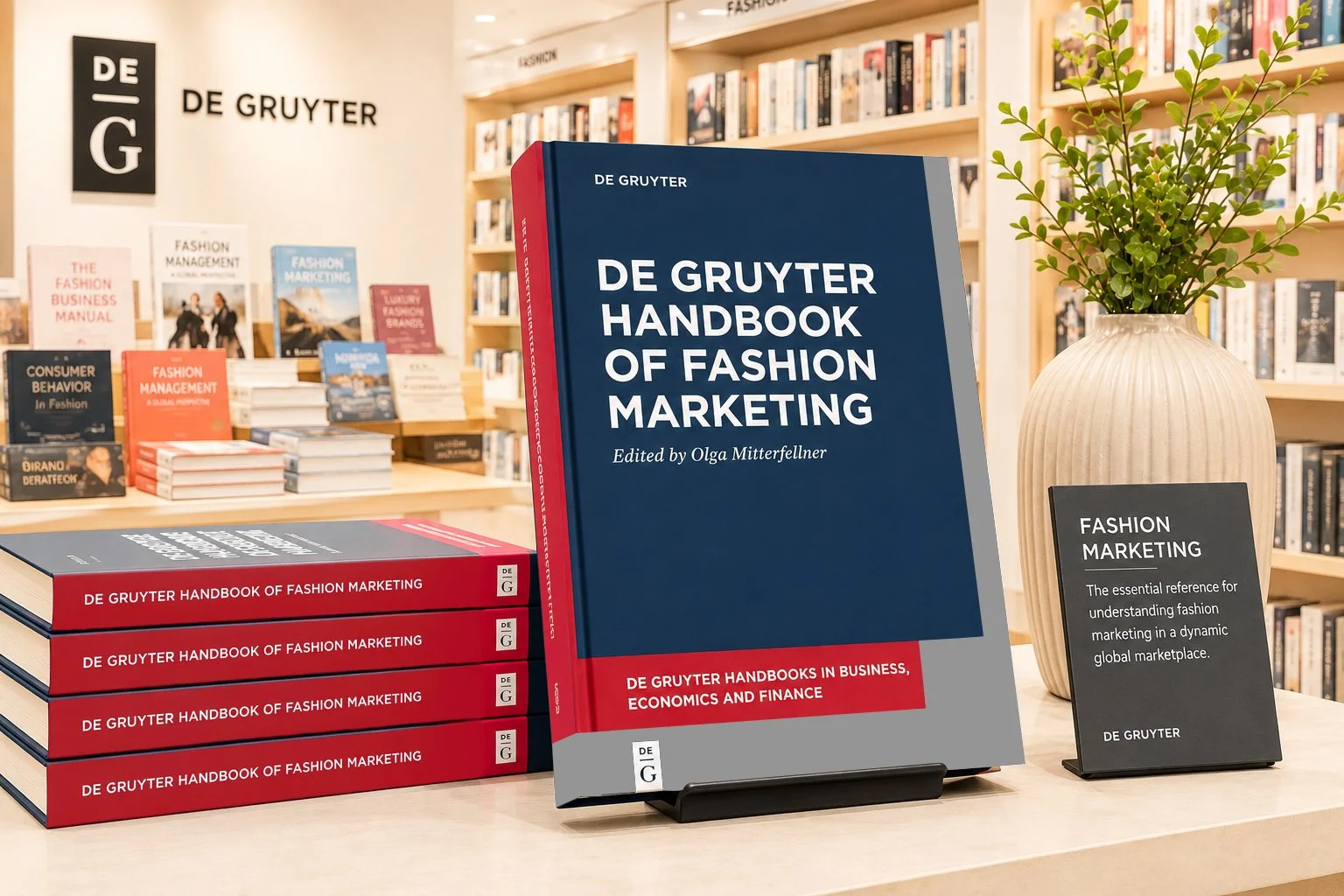
Click here to order a copy of the De Gruyter Handbook of Fashion Marketing.
Archive
- September 2026
- August 2026
- July 2026
- June 2026
- May 2026
- April 2026
- March 2026
- February 2026
- October 2025
- September 2025
- July 2025
- May 2025
- March 2025
- September 2023
- August 2023
- June 2023
- May 2023
- January 2023
- September 2022
- February 2022
- May 2021
- April 2021
- March 2021
- December 2020
- October 2020
- August 2020
- July 2020
- June 2020
- March 2020
- September 2019
- June 2019
- May 2019
- March 2019
- February 2019
- September 2018
- September 2016
- January 2016