
The Challenge
A Creative Industry. An Incomplete Business Picture.
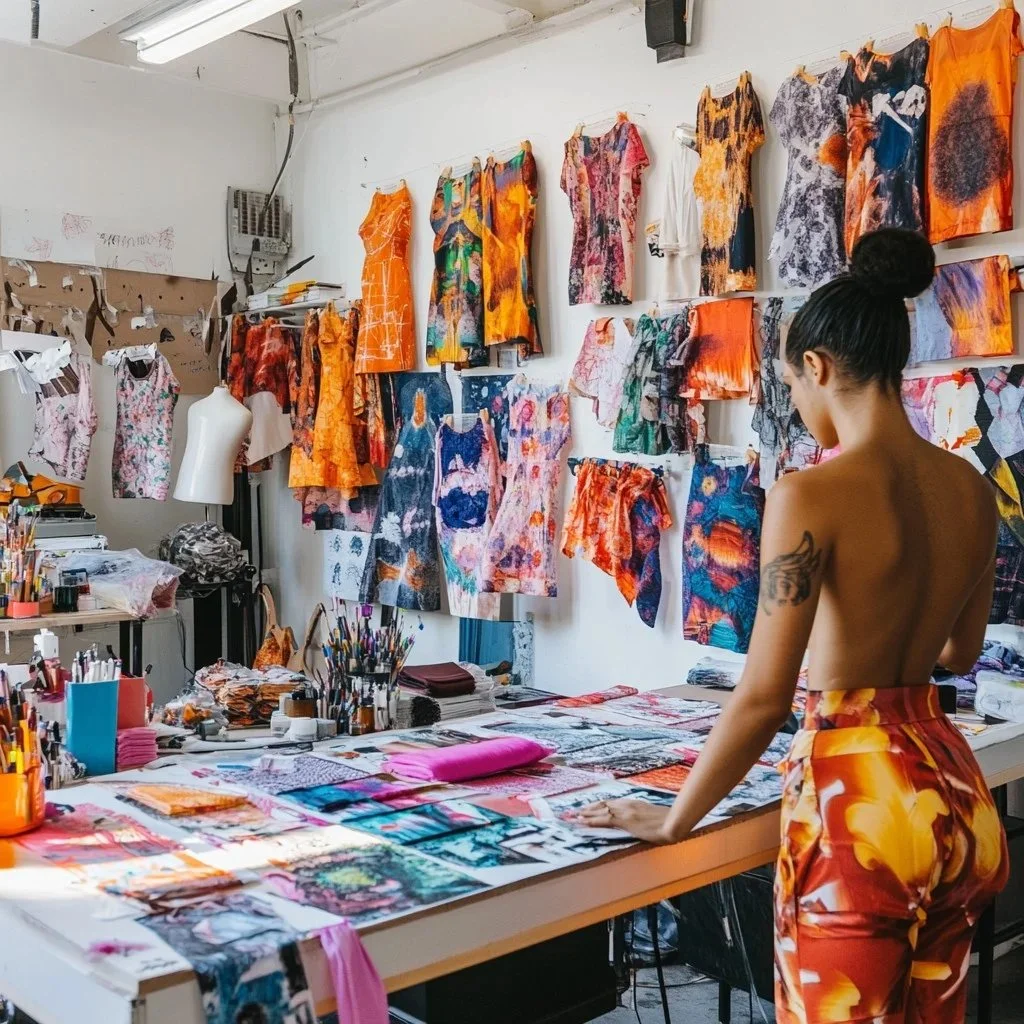
Caribbean fashion generates economic activity across design, apparel and accessories, textiles, manufacturing, retail, e-commerce, logistics, marketing, intellectual property, and related professional services. Yet information about the sector is often dispersed across national statistics, business records, industry studies, and research initiatives. These sources do not necessarily provide a consistent basis for comparing business performance across territories or tracking changes over time.
Learn more about the challenge →

The CFBI Framework
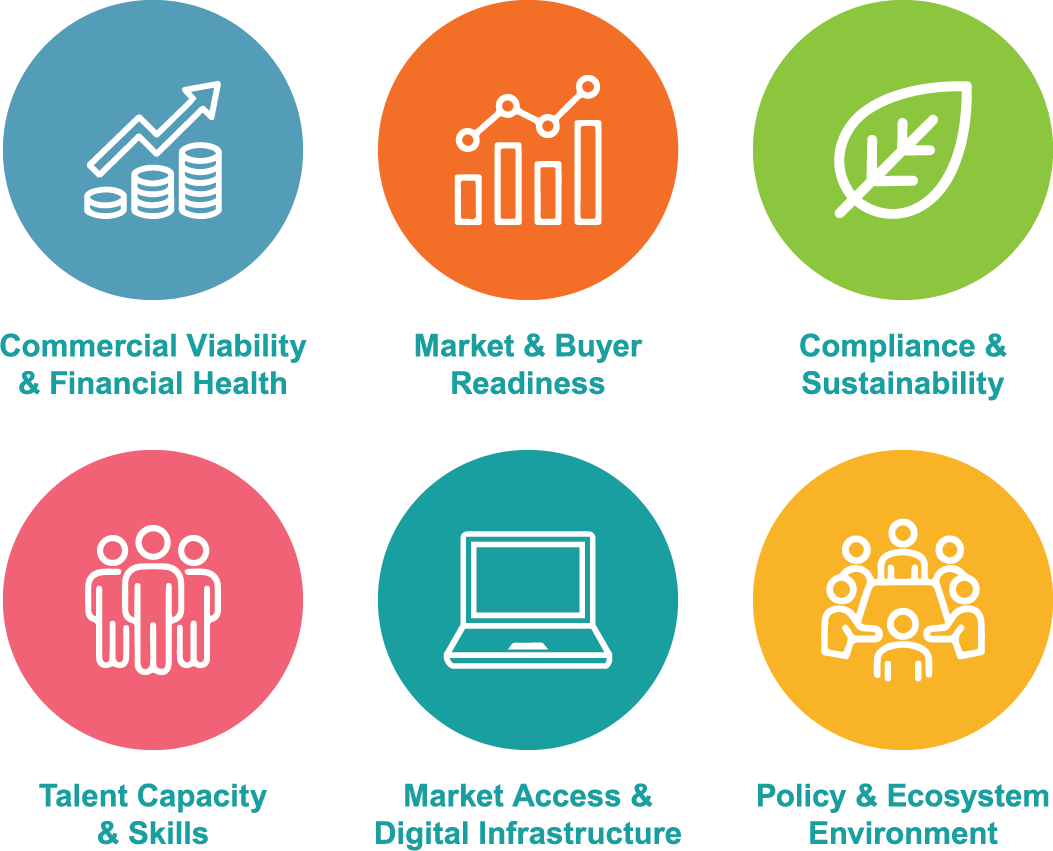
Six Measurement Areas. 24 Proposed Indicators.
The CFBI is being developed around six proposed measurement areas and 24 indicators to assess the business conditions, capabilities and challenges shaping Caribbean fashion enterprises. From commercial viability and buyer readiness to sustainability, talent, digital infrastructure, and the wider policy environment, the framework aims to build a more structured, evidence-informed understanding of fashion business performance across the region.
The CFBI Methodology
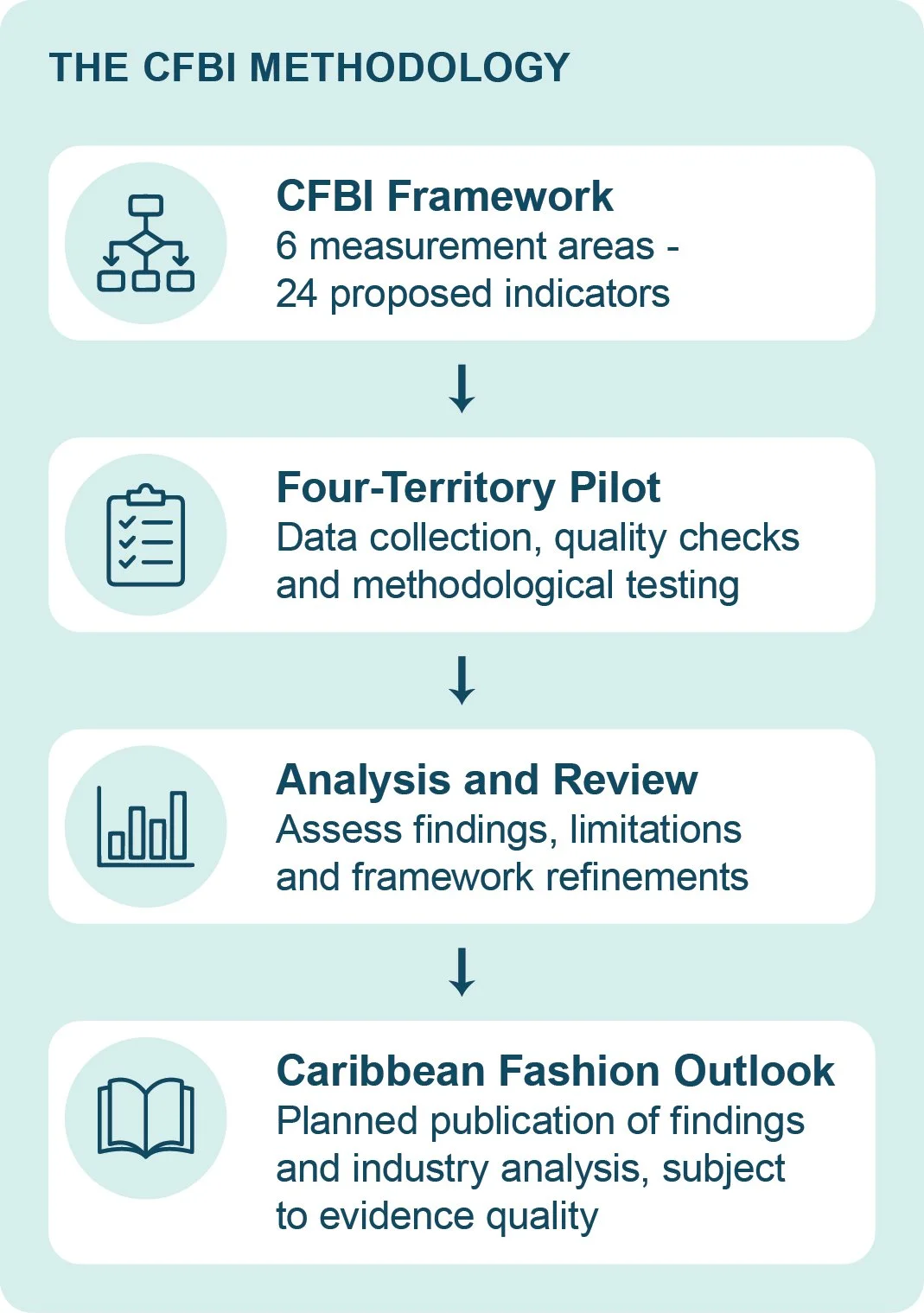
The CFBI process moves from a proposed measurement framework, through a four-territory pilot and methodological review, to the planned Caribbean Fashion Outlook, with publication contingent on the quality and scope of the evidence collected.
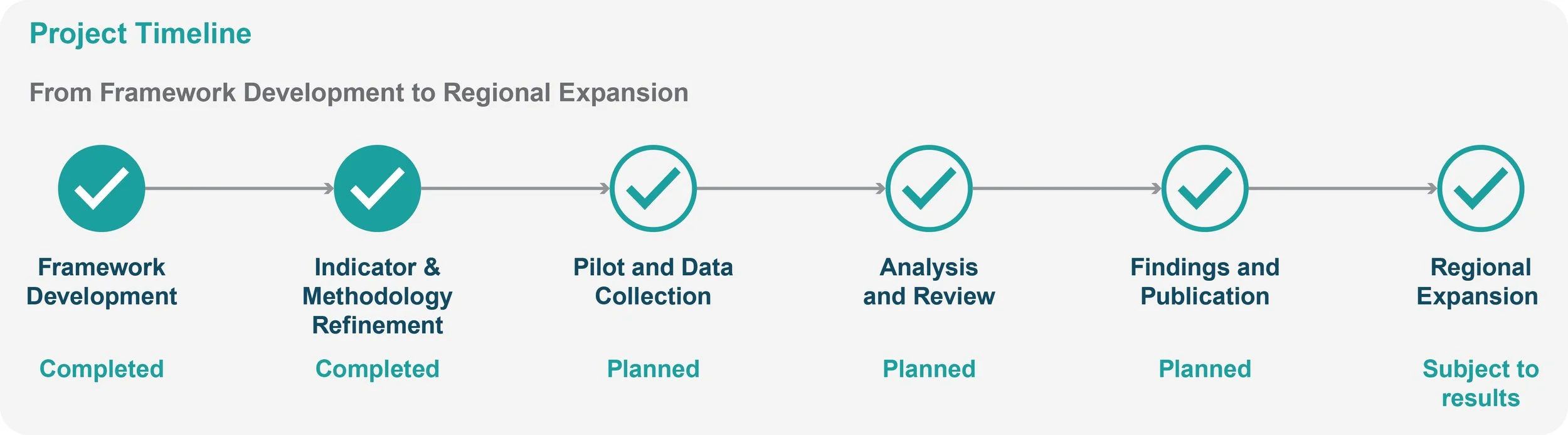
Timeline will be updated as the project progresses.

The Pilot
Testing a Framework Across Caribbean Markets.
The initial pilot focuses on Trinidad and Tobago, Jamaica, Barbados, and Guyana. These markets provide a starting point for examining the feasibility of a common measurement framework across different national contexts.
Learn about the pilot and methodology →
Caribbean Fashion Outlook
From Measurement to Insight.
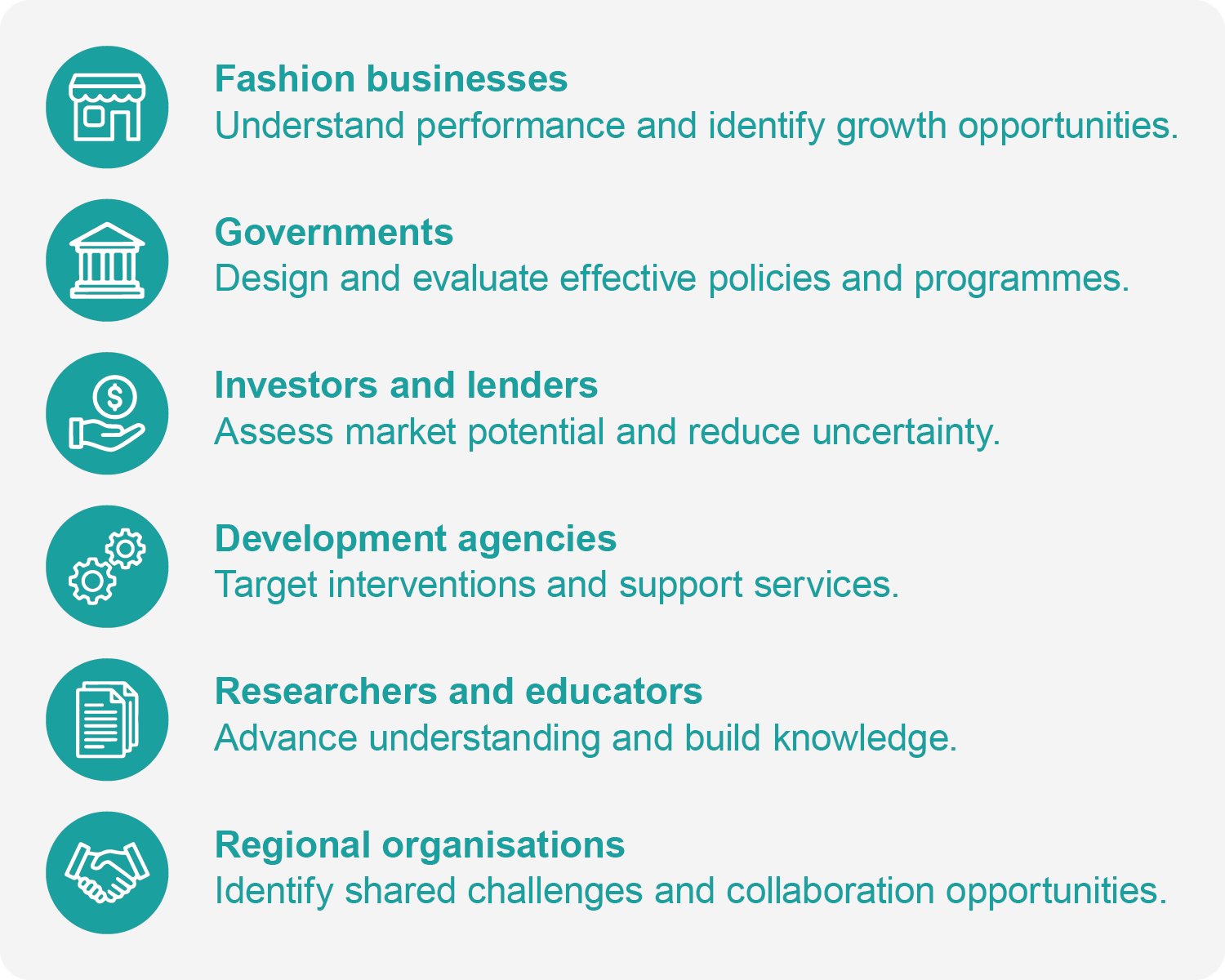
The Caribbean Fashion Outlook is the planned regional fashion-industry intelligence and benchmarking publication built around the Caribbean Fashion Business Index™.
While the CFBI provides the measurement framework, the Outlook will communicate and interpret the resulting evidence. It is intended to examine business performance, operational capabilities, market readiness and ecosystem challenges, moving beyond trend forecasting and individual success stories.
Subject to the outcomes of the pilot and the availability of sufficient, reliable data, the publication aims to support a more informed discussion of the conditions that enable Caribbean fashion enterprises to survive, compete and grow.
Be Part of the Development Process
Help build a stronger evidence base for Caribbean fashion.
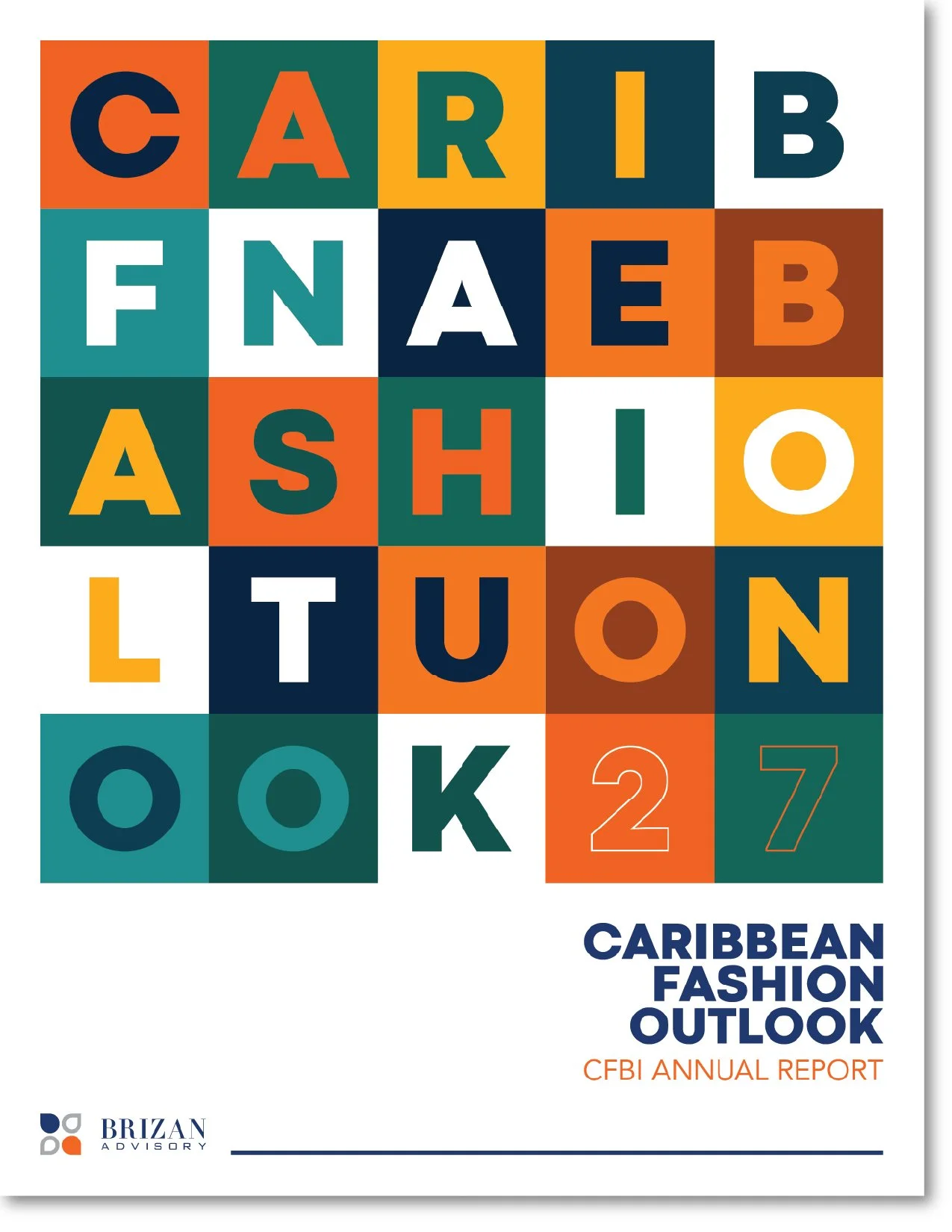
The development of a meaningful regional index requires engagement from the businesses, institutions and specialists who understand the sector's commercial realities. Fashion businesses can express interest in participating in the research. Researchers and technical specialists can explore opportunities to contribute expertise. Development institutions, policymakers and potential funding partners can discuss collaboration and support. Participation, funding and partnership opportunities will be subject to the pilot's requirements, eligibility and agreed arrangements.


Get Involved
Interested in contributing to the CFBI?
Register your interest to discuss institutional partnerships.
Help Build the CFBI
Building a stronger Caribbean fashion industry begins with better business intelligence. The Caribbean Fashion Business Index™ (CFBI) is being developed to address critical gaps in the data needed to understand fashion business performance, strengthen enterprise development, and inform investment and policy decisions across the region.
Your contribution can help advance this work. Financial support will contribute towards the development and testing of the CFBI framework, pilot data collection, methodological review and the preparation of findings for the proposed Caribbean Fashion Outlook.
Whether you are a fashion professional, entrepreneur, industry supporter, or member of the public, you can help build the evidence needed to strengthen the future of Caribbean fashion.
Support the development of the CFBI. Help turn better data into better decisions for the region’s fashion industry.
Frequently Asked Questions